Destination
New Zealand, the end of the world in XXL
Two islands at the edge of the Pacific, where the road itself becomes the experience, and where simply slowing down is enough to turn a trip into a memory.
When to go
December to March for a southern summer with long days; spring and autumn for a calmer mood and beautiful colors
Ideal length
15 to 20 days to combine both islands
Suggested budget
Around €15,000 for two people, over two weeks
Who is it for?
Those willing to slow down, who prefer vast open space to an overstuffed address book
Sometimes you have to cross half the globe to understand what being far away truly means. New Zealand is one of those places. Two large islands set in the South Pacific, thousands of kilometers from Australia, and between them mountains, fjords, volcanoes, deserted beaches and forests that seem to belong to no other landscape.
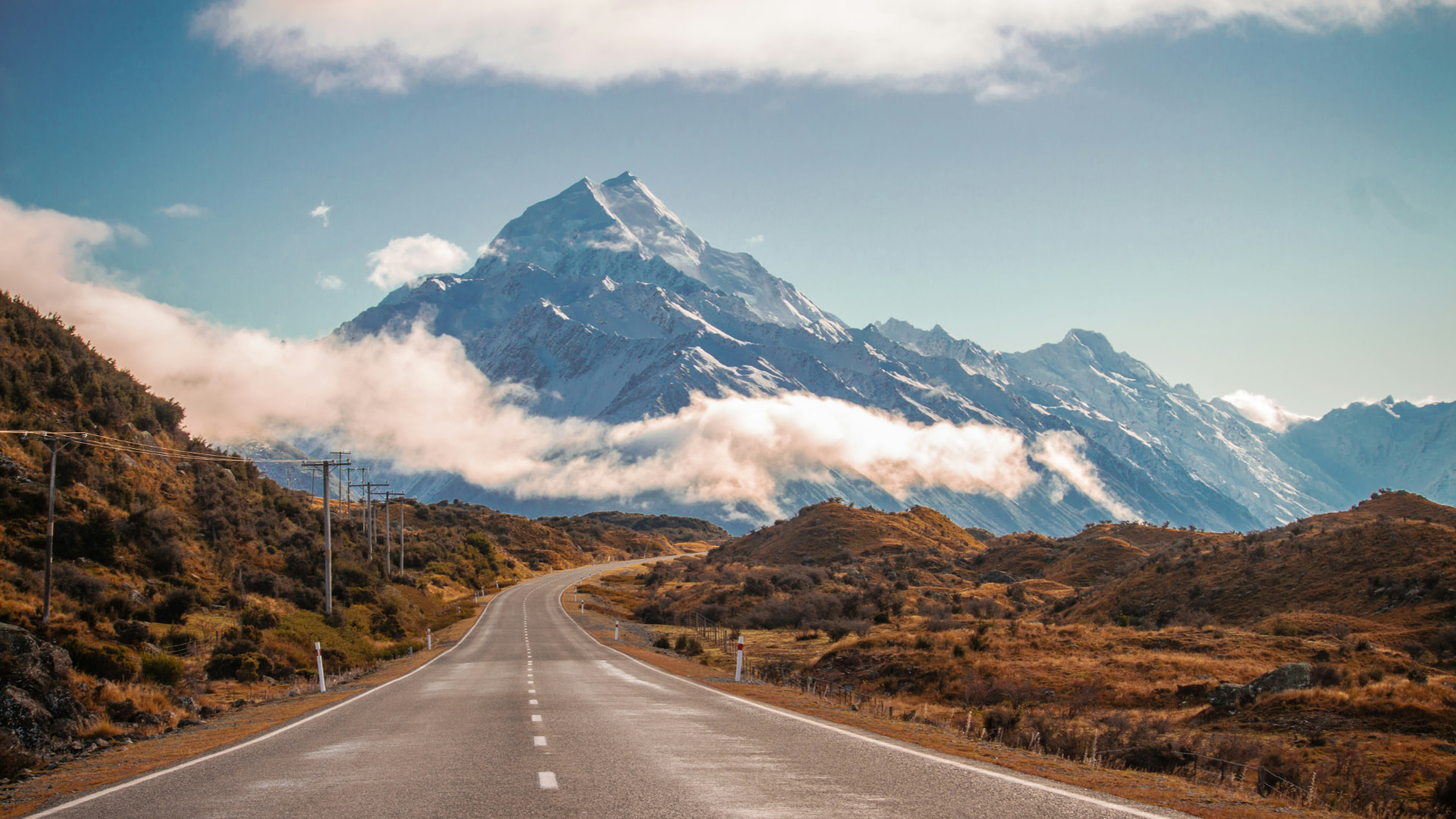
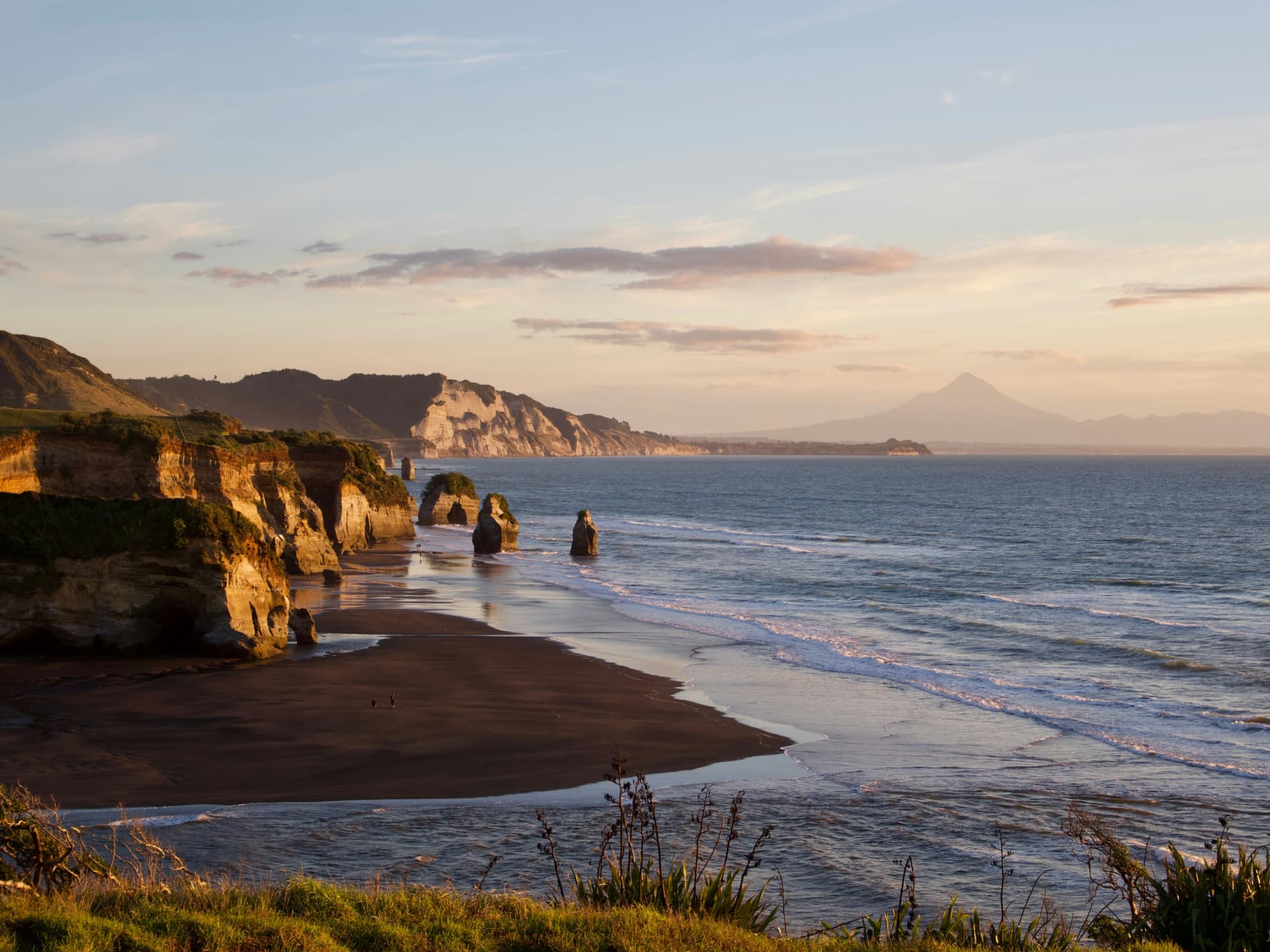
From the very first hours there, the change of scenery is total. Roads wind between hills covered in pastures, summits appear behind the clouds and the ocean is never truly far. New Zealand is not a destination you simply visit. It is traveled, and above all, it is lived at the pace of the road.
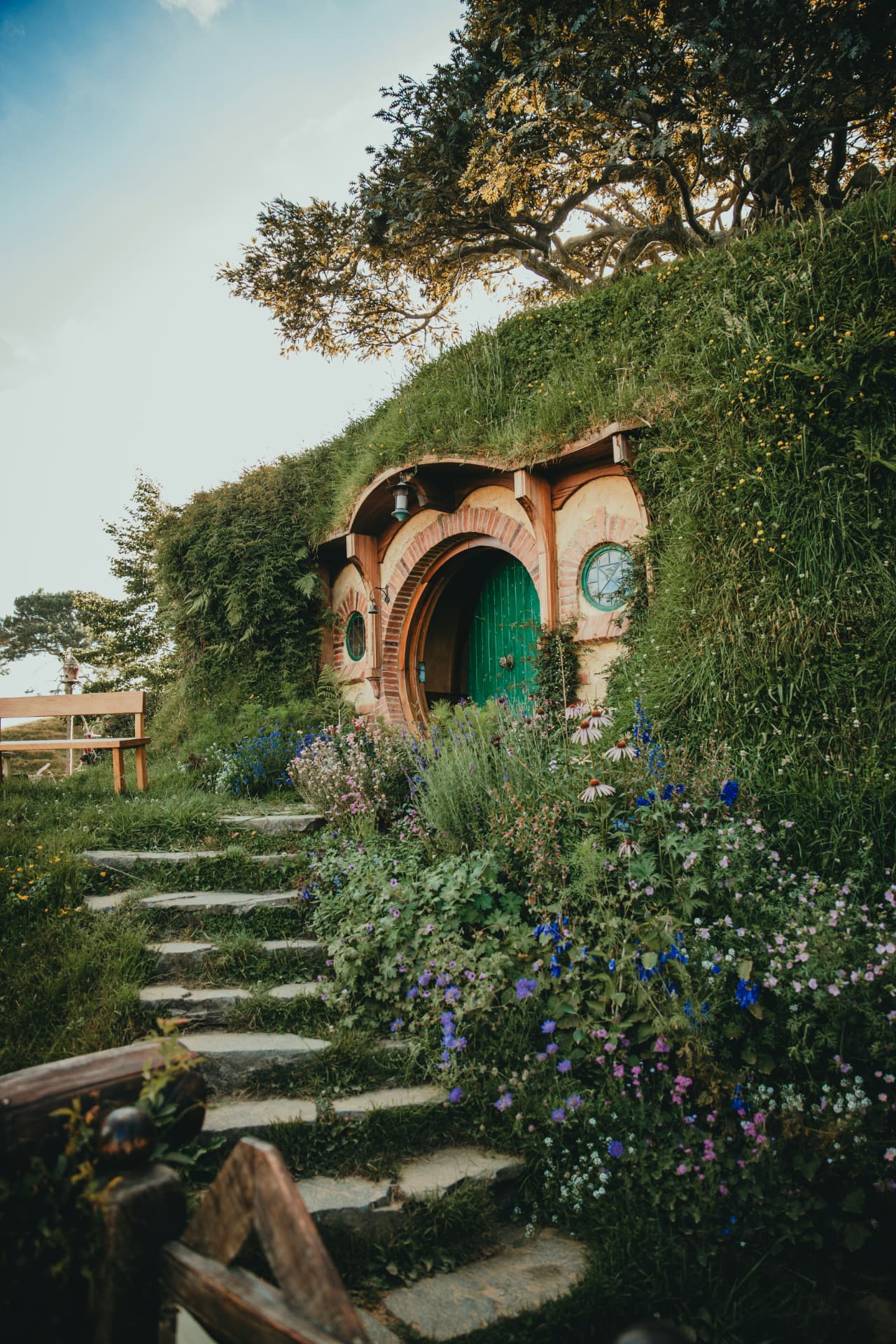
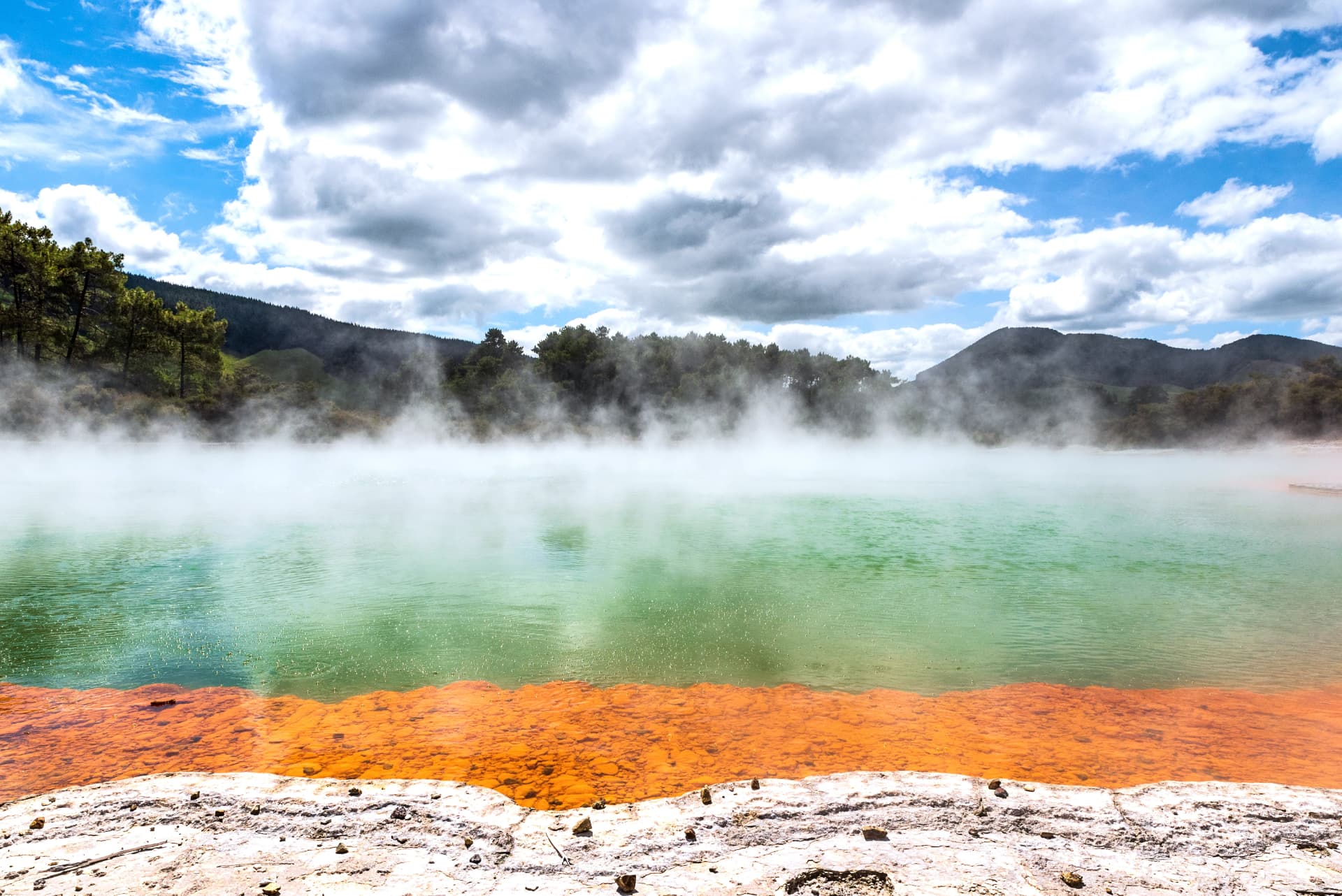
In the north, the country reveals a softer face, though just as spectacular. Around Rotorua, the earth literally bubbles: hot springs, geysers, mud pools and volcanic steam remind you that geothermal activity is still present beneath your feet. It is also one of the best places to discover Maori culture, its history, its traditions and its deeply rooted connection to the land.
« It is traveled, and above all, it is lived at the pace of the road. »
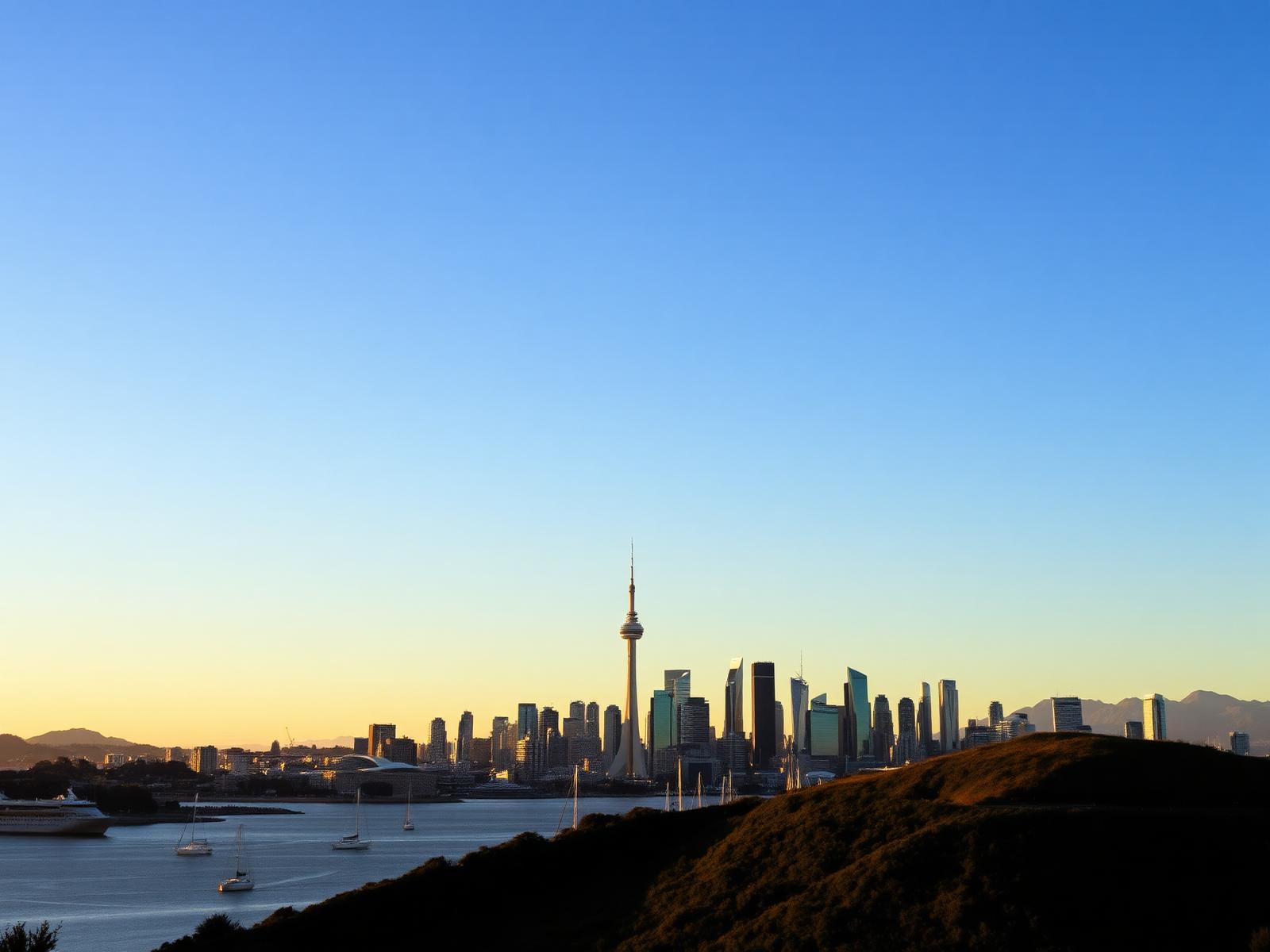
Further north, the landscapes change again. Beaches stretch as far as the eye can see, forests turn subtropical and the light takes on an almost Mediterranean feel. And then there is Auckland, the country's modern, maritime gateway, set between two coasts and surrounded by dormant volcanoes, best enjoyed by taking the time to leave its center and discover the nearby islands.
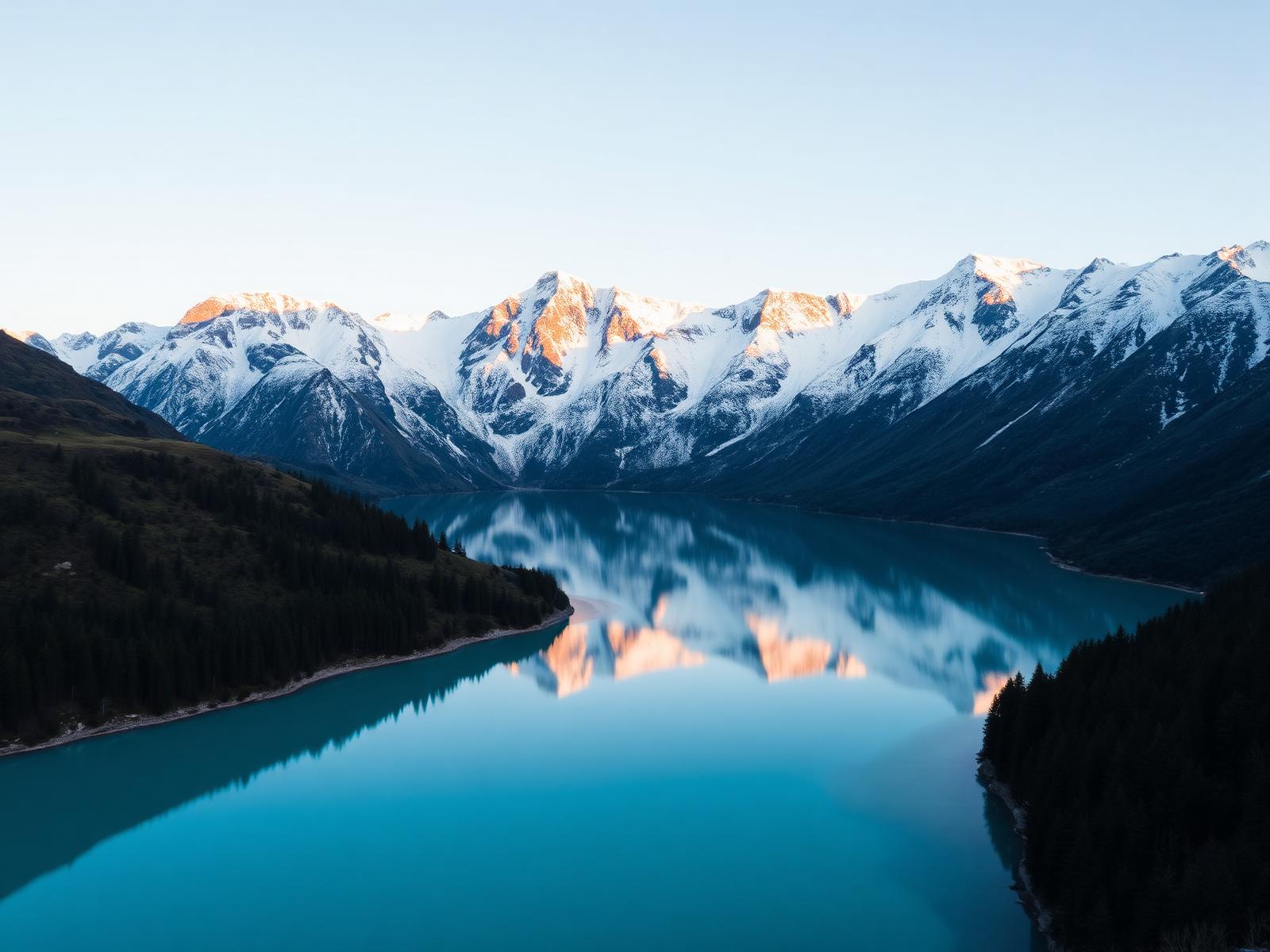
It is often on the South Island that New Zealand leaves its deepest mark. The Southern Alps run across the island for several hundred kilometers. Roads follow turquoise lakes, cross immense valleys and gradually draw closer to snow-capped peaks.
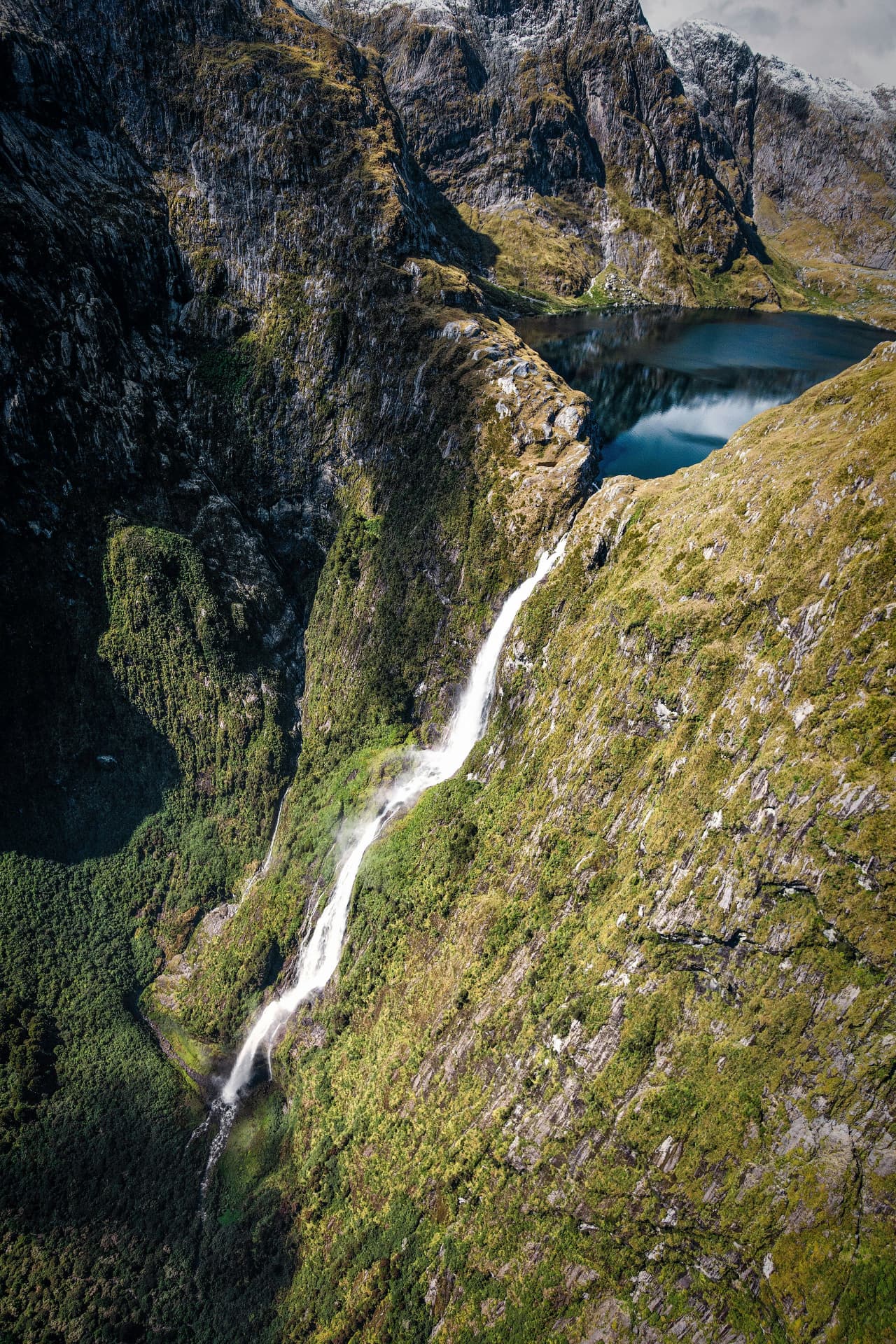
Then the fjords of Milford Sound appear. Cliffs covered in vegetation plunge straight into dark, calm water. Waterfalls pour down the mountains after the rains. Fog clings to the ridgelines. Even in bad weather, the landscape retains something almost unreal.
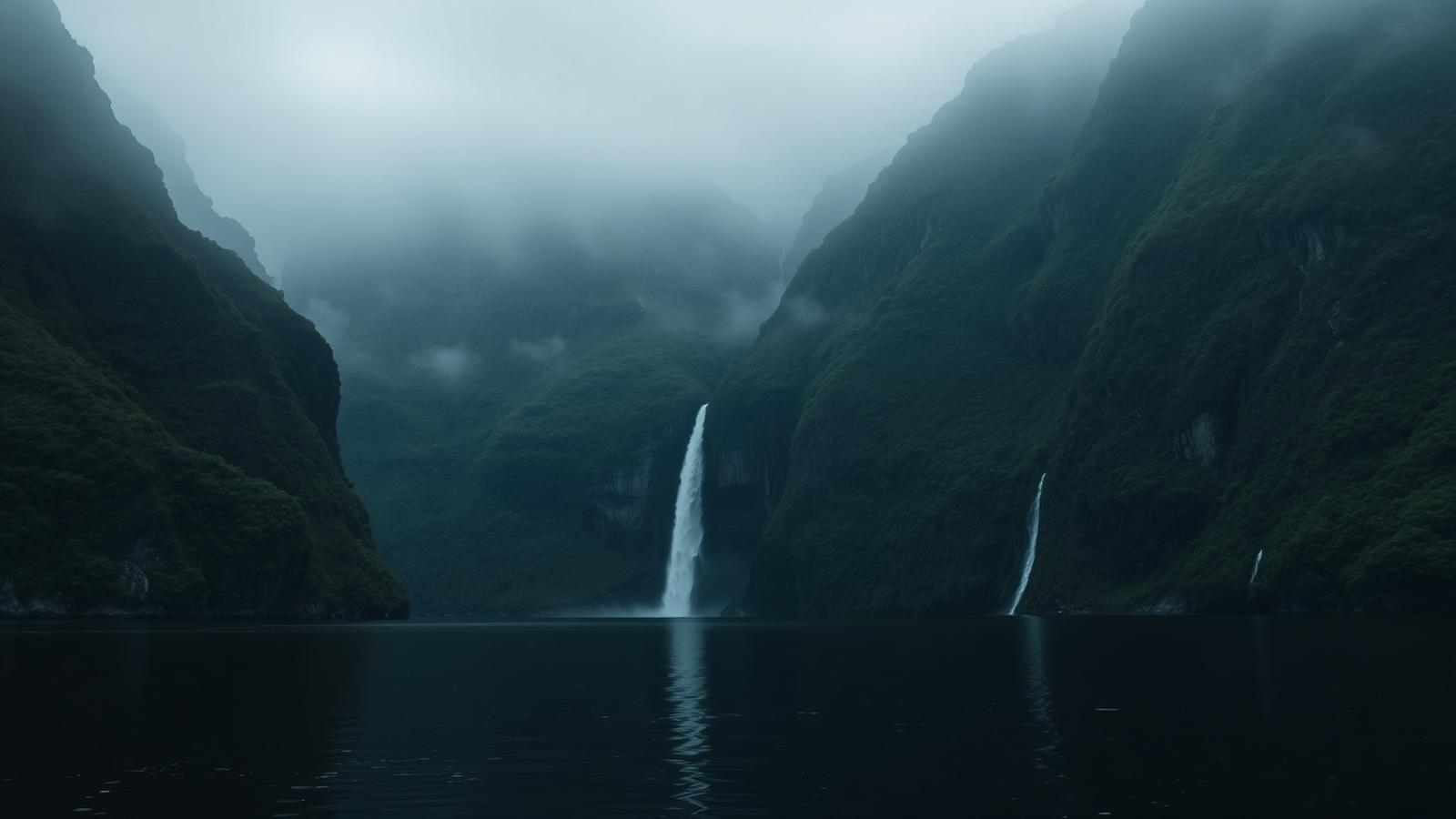
Further south, glaciers, lakes and wild valleys sometimes give the feeling of having reached another continent. It is probably one of the rare places where simply taking the road becomes an experience in itself.
New Zealand is spectacular, but it doesn't need to try too hard. An immense, almost empty beach. A road in the middle of the mountains. A perfectly still lake at daybreak. A damp forest where all you hear are the birds. A starry sky far from any light pollution. The country constantly makes you want to slow down.
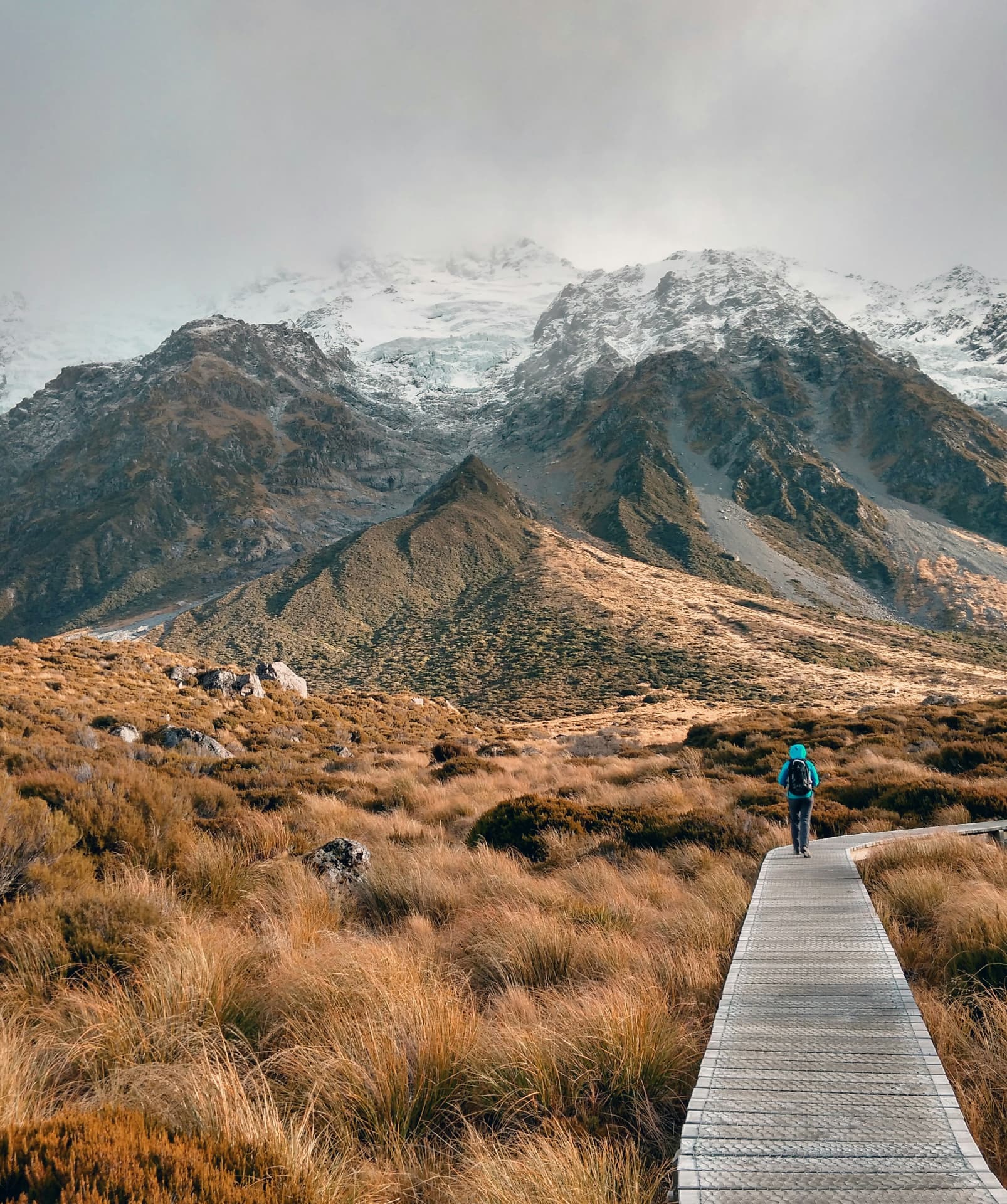
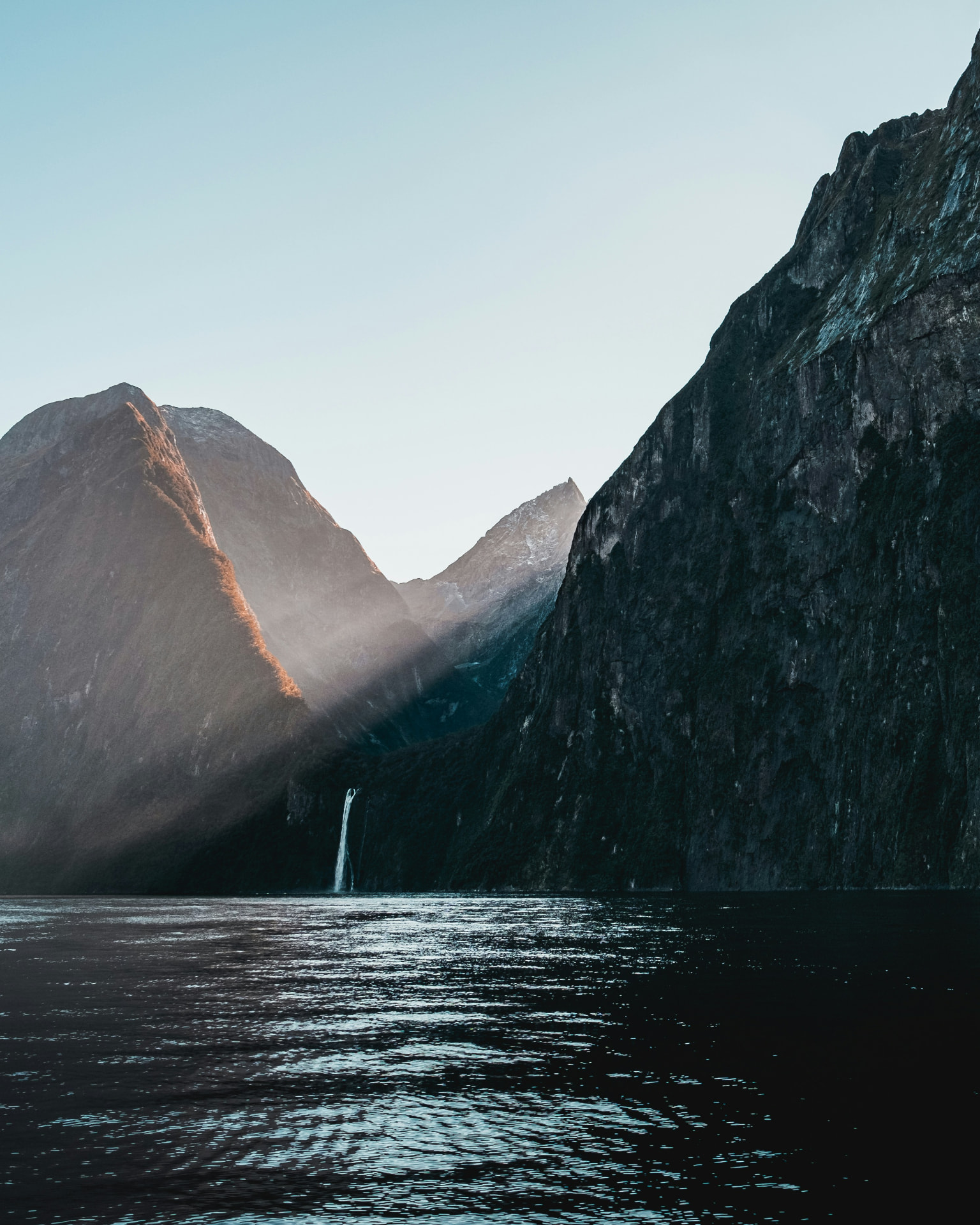
New Zealand does, however, impose its own constraints: the distance makes the trip considerably longer and more expensive, internal distances are longer than they appear on a map, and the weather, changeable especially on the South Island, can alter a plan overnight. This is not a destination you improvise on the spot without a minimum of margin.
We advise against trying to do everything. New Zealand is immense, and multiplying stops quickly loses what makes all its charm. For a first trip, we like to combine Auckland and Rotorua on the North Island, then Queenstown, Wanaka and Milford Sound on the South Island. And above all, leave room for the unexpected.
« It is traveled, and above all, it is lived at the pace of the road. »