Inspiration notebooks
Southern Morocco, off the beaten path
From the palm groves of Skoura to the dunes of Erg Chigaga, a slow crossing punctuated by guesthouses chosen for their soul.
When to go
October to April
Ideal length
8 to 12 days
Suggested budget
$3,800 to $7,500 per person
Who is it for?
Travelers after authenticity and wide open spaces
Leaving Marrakech heading south, the road climbs over the High Atlas before dropping toward what Moroccans call the Road of a Thousand Kasbahs, between Ouarzazate and Tinghir. The landscape shifts gradually: peaks that stay snow-capped for much of the year give way to ochre valleys, earthen kasbahs, and the first palm groves.
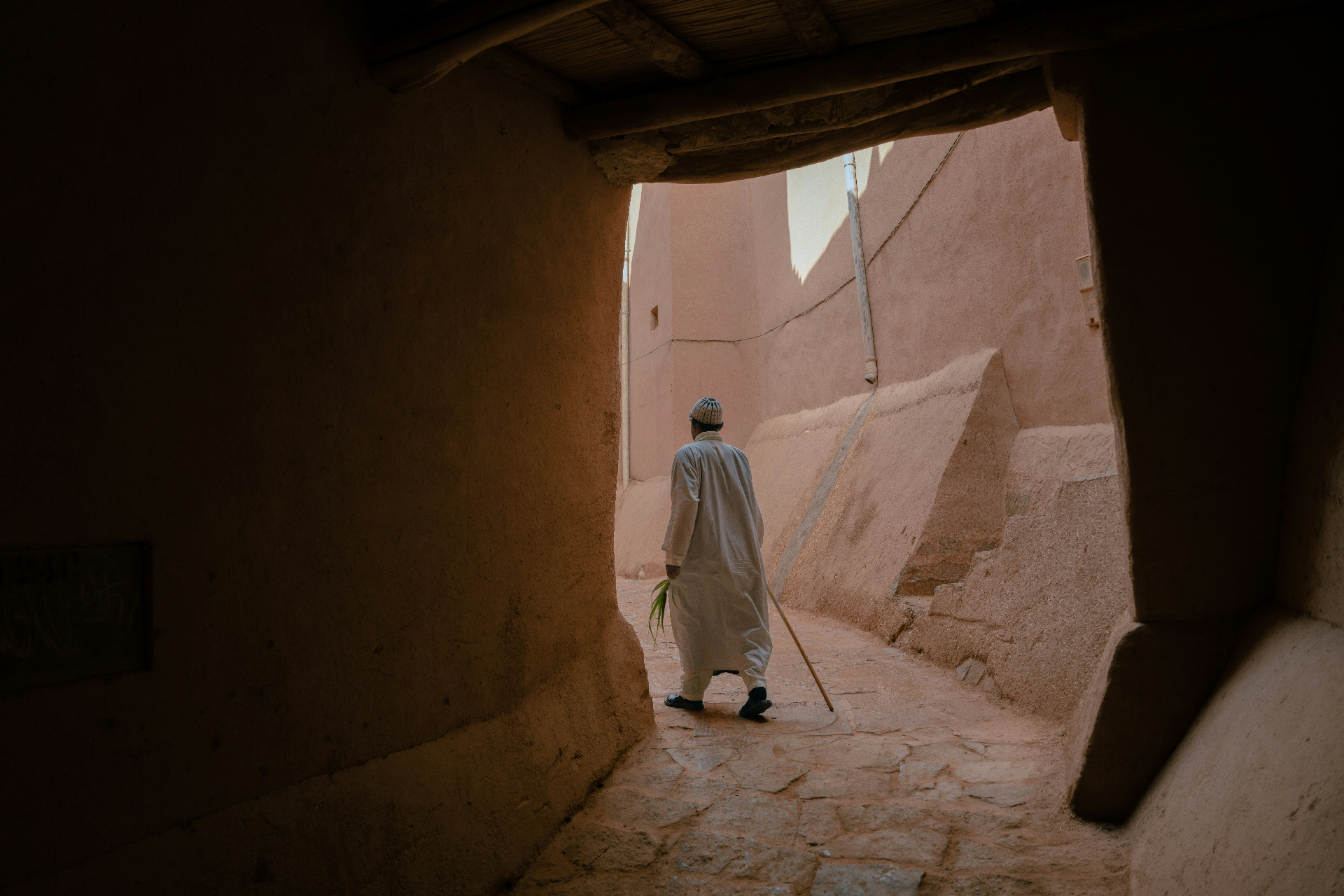
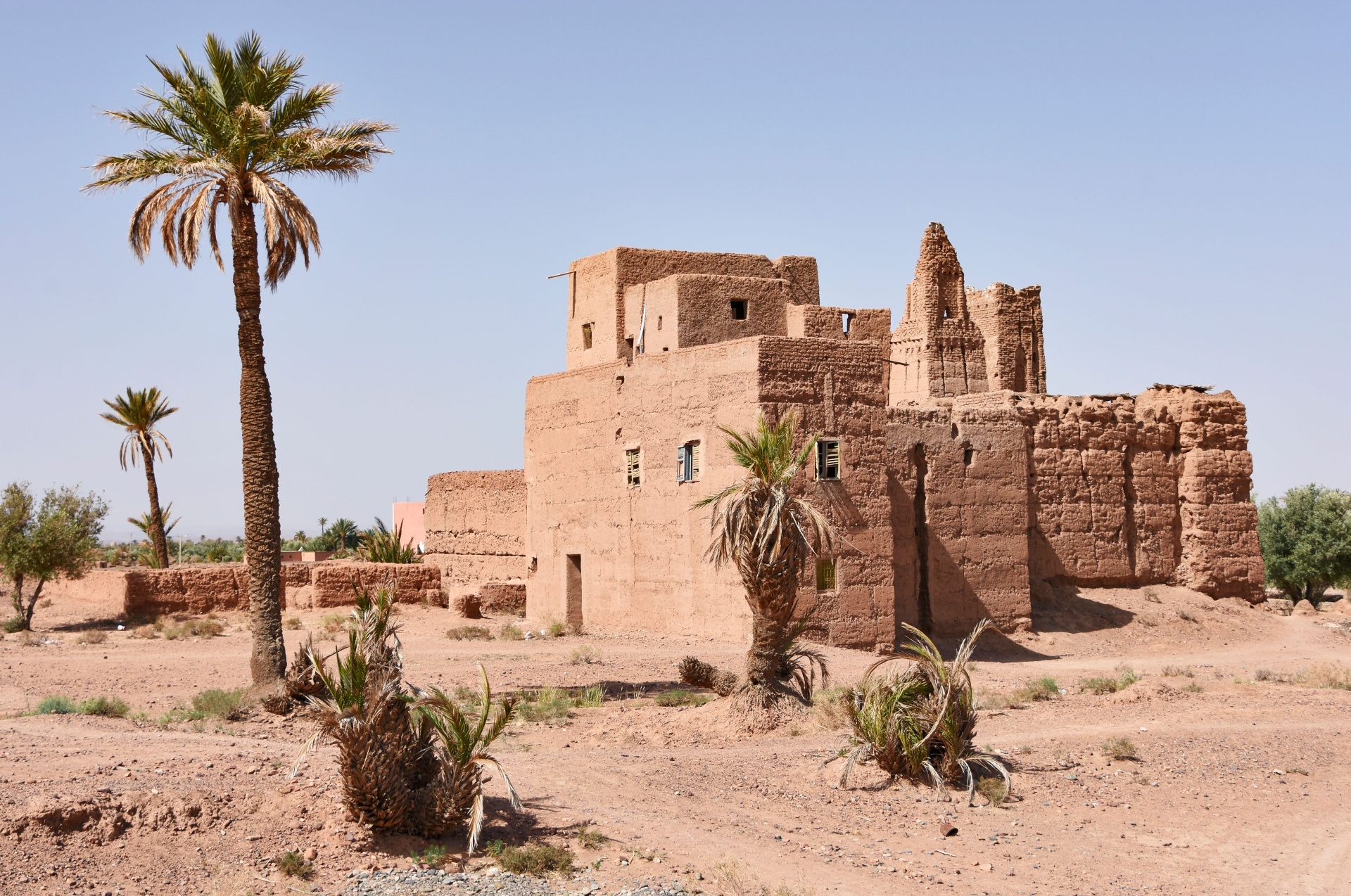
Some forty kilometers from Ouarzazate begins the oasis of Skoura, one of the largest in southern Morocco, planted with several thousand palm, olive, and almond trees on the bed of a former dried-up lake. Local legend says its name comes from Askour, the Amazigh word for partridge, birds that once populated the lake before communities from the Draa and the Tafilalet drained it to plant their crops. The Amridil kasbah, built in the seventeenth century and one of the best preserved in the whole Dades Valley, stands here.
« The palm grove is still living farmland, not a set kept up for visitors. »
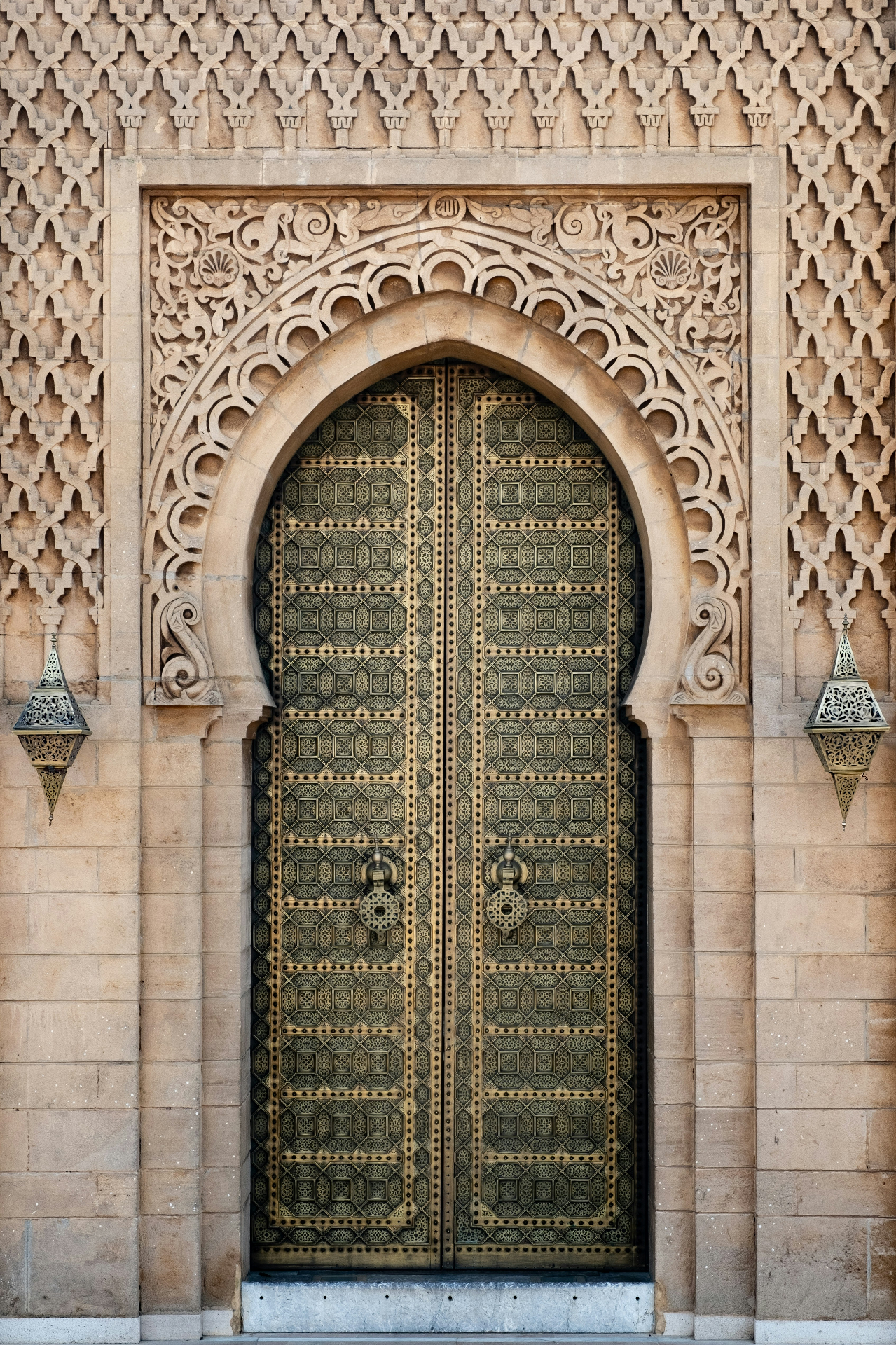
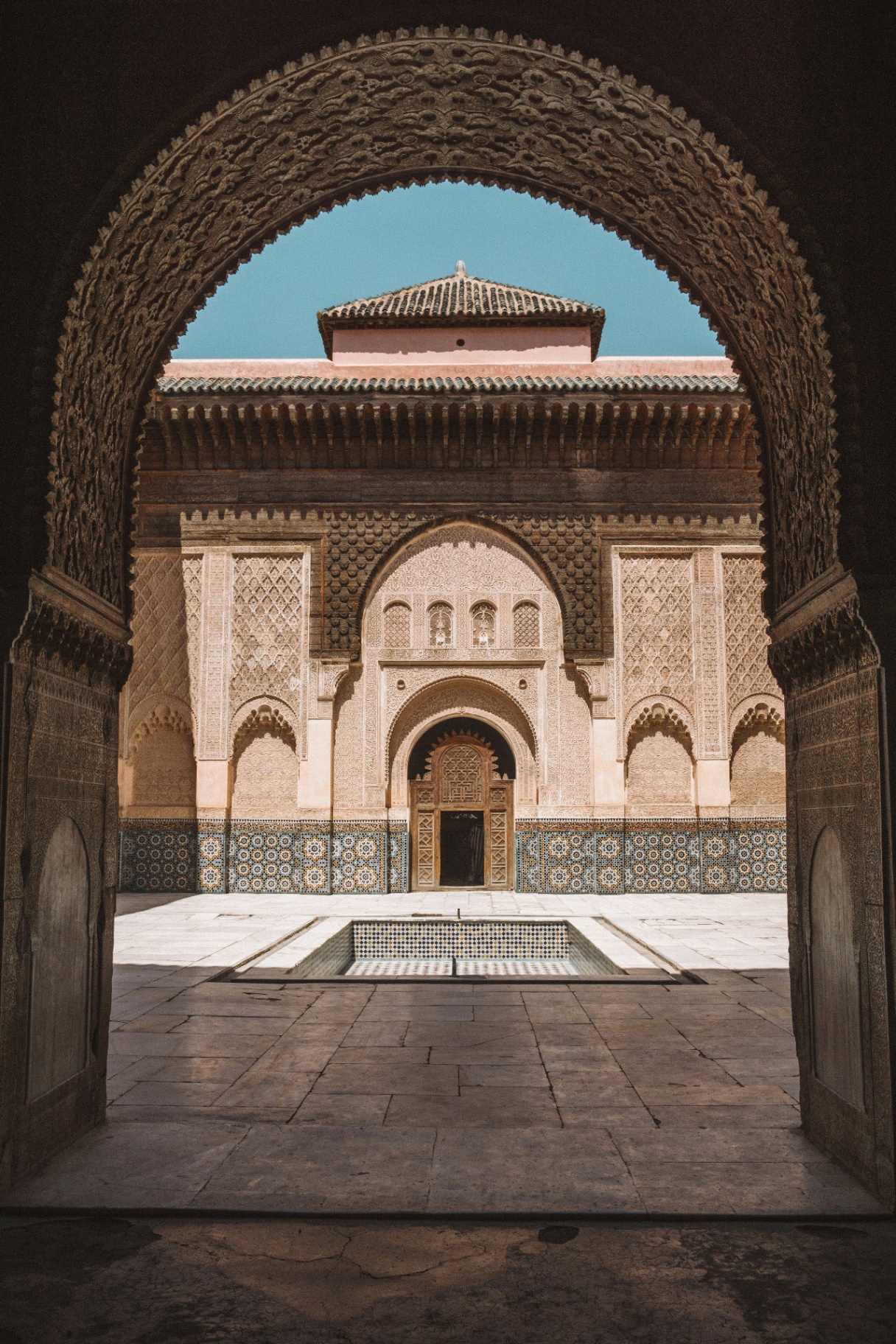
What sets Skoura apart from better-known stops on the kasbah road, such as Ait Ben Haddou, is precisely the absence of staging. The palm grove is still living farmland, not a set kept up for visitors: locals still grow wheat, barley, and alfalfa in the shade of the palms, as they have for centuries.
Continuing south, the road follows the course of the Draa, Morocco's longest river, through earthen villages and palm groves that seem never to end. It is one of the most spectacular drives in the country, and also one of the least photographed, simply because it leads somewhere other than the major tourist sites.
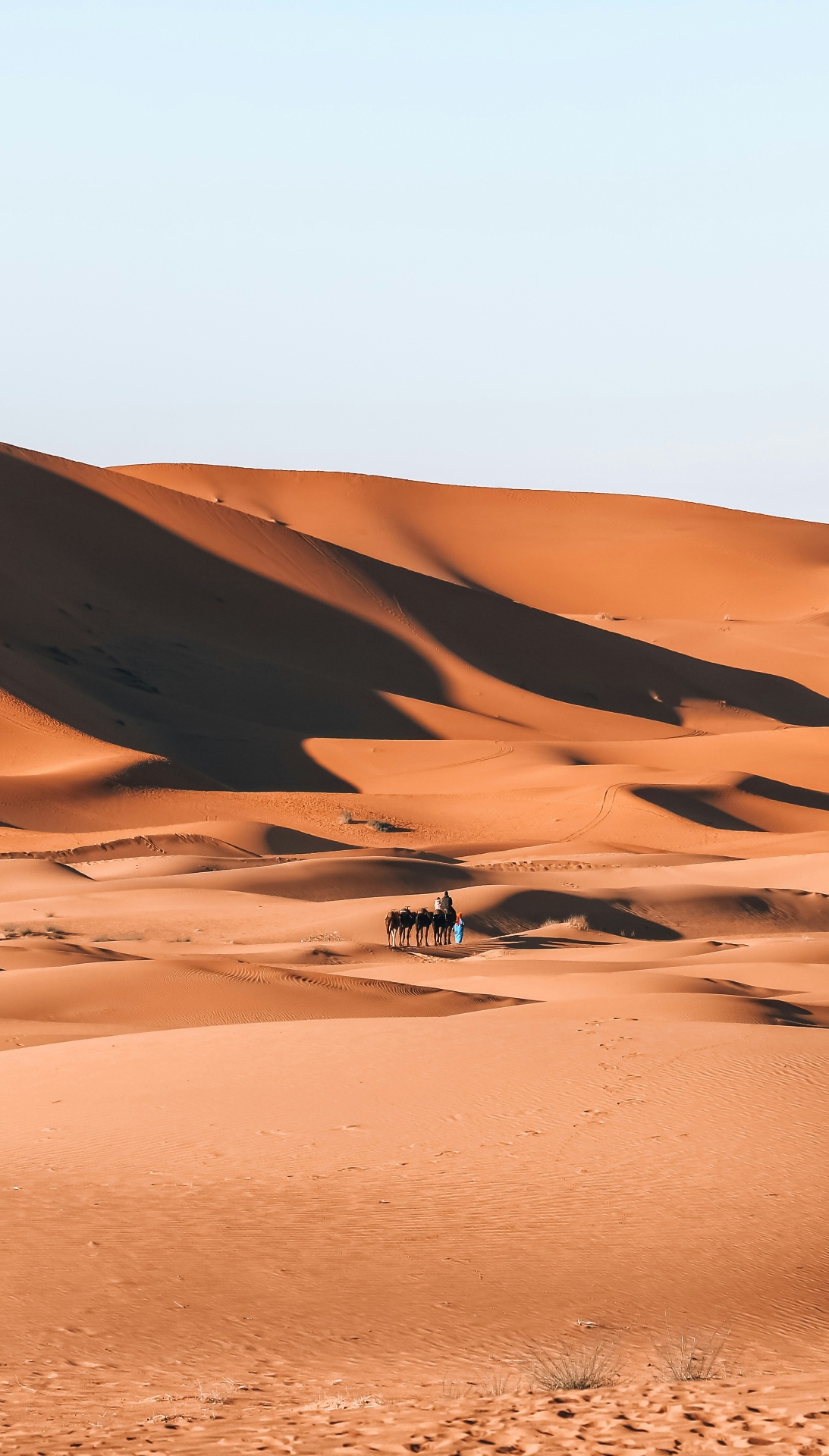
Then comes M'Hamid, the last village before the desert proper and the starting point for Erg Chigaga. Unlike Erg Chebbi near Merzouga, reachable in a regular car and visible from the road, Erg Chigaga has to be earned: it takes one to three hours of off-road driving in a 4x4 across the hamada, the flat rocky expanse, before the first dunes appear. In return, the erg is nearly twice the size of Merzouga's, with dunes that can rise above two hundred meters, and camps set far further apart.
Days there follow the sun: long walks in the dunes, lunch in the shade of a tent, and in the evening a sky made especially dense with stars by the distance from any city, far from the light pollution you sometimes find at Merzouga.
We should be honest about what this choice involves. The track to Erg Chigaga is long and at times uncomfortable, especially in full heat, which is why we recommend going between October and April. The camps are also more basic than a conventional hotel, even in their most refined versions. Anyone looking for quick, comfortable access to the desert will likely be better served at Merzouga.
And that is exactly why we prefer Erg Chigaga. A desert you can reach in a few minutes from a parking lot is no longer quite a desert, only a postcard within arm's reach. Here, the length of the drive is part of the journey: it physically separates the world you are leaving from the one you are discovering. This is not Morocco's easiest desert. It is probably its truest.
« This is not Morocco's easiest desert. It is probably its truest. »