Inspiration notebooks
Tanzania, the great migration
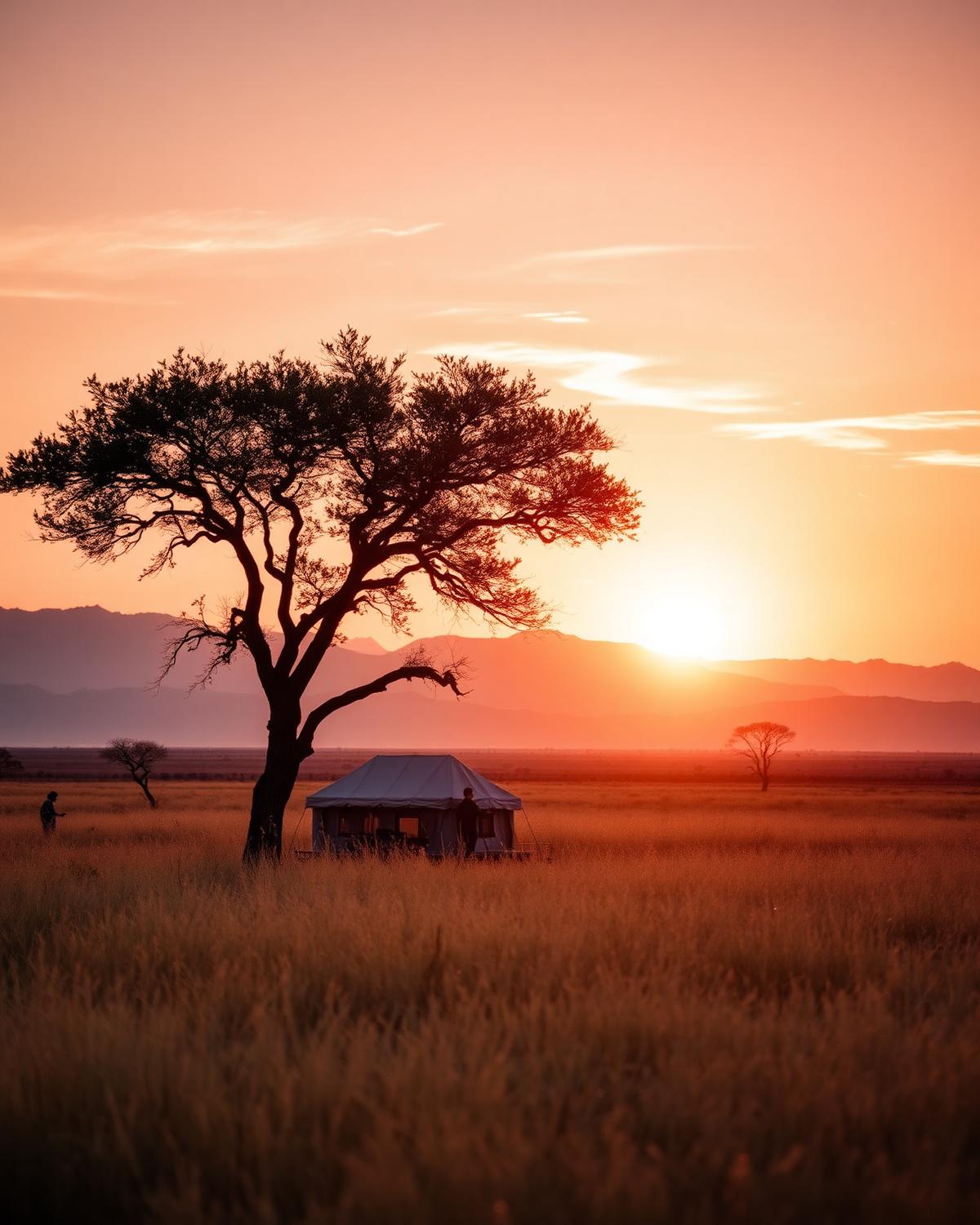
Following the herds across the Serengeti plains, then extending the trip on the white sands of Zanzibar.
When to go
January to March, then July to September
Ideal length
10 to 14 days
Suggested budget
$9,000 to $15,000 per person
Who is it for?
Lovers of wide open spaces and powerful emotions
The great migration is not a one-time event but a continuous movement: each year, more than a million wildebeest and about two hundred thousand zebras travel clockwise across the twenty-five thousand square kilometers that make up the Serengeti, Ngorongoro, and the Kenyan Masai Mara, guided only by the rains and the search for pastures.
Between December and March, the herds gather in the Ndutu area, on the border of the Serengeti and the Ngorongoro Conservation Area. This is the calving season: more than five hundred thousand wildebeest are born there in just a few weeks, which inevitably attracts the highest concentration of predators of the season.
What truly sets the great migration apart from most of nature's grand spectacles is its stubborn refusal to be staged. No one, not even the most experienced guides, can guarantee the exact place or moment of a crossing. The rains decide, never the travelers. It is precisely this uncertainty that makes the spectacle real rather than reconstructed.
« No one can guarantee the place or the moment, and that is exactly what makes the spectacle real. »
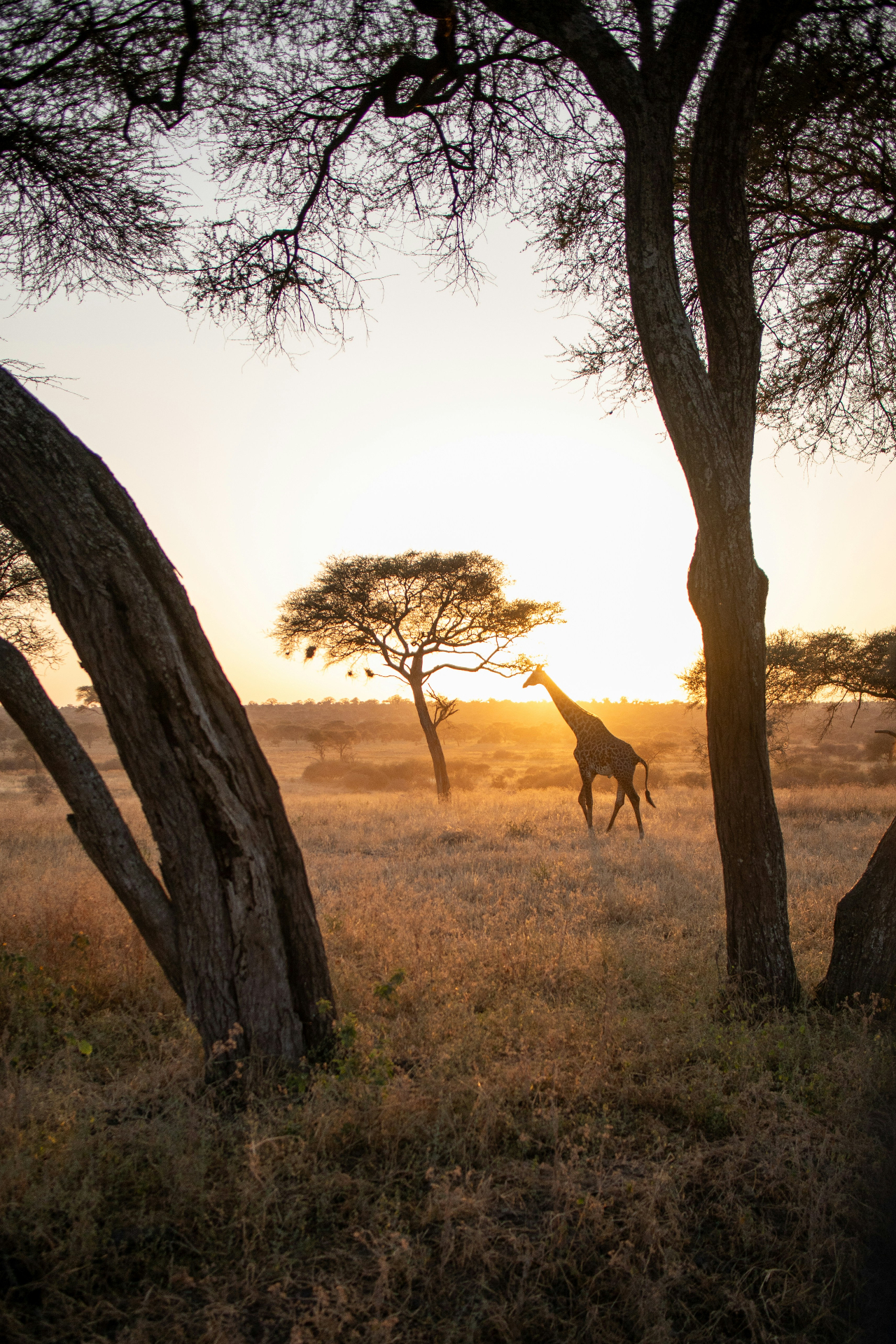
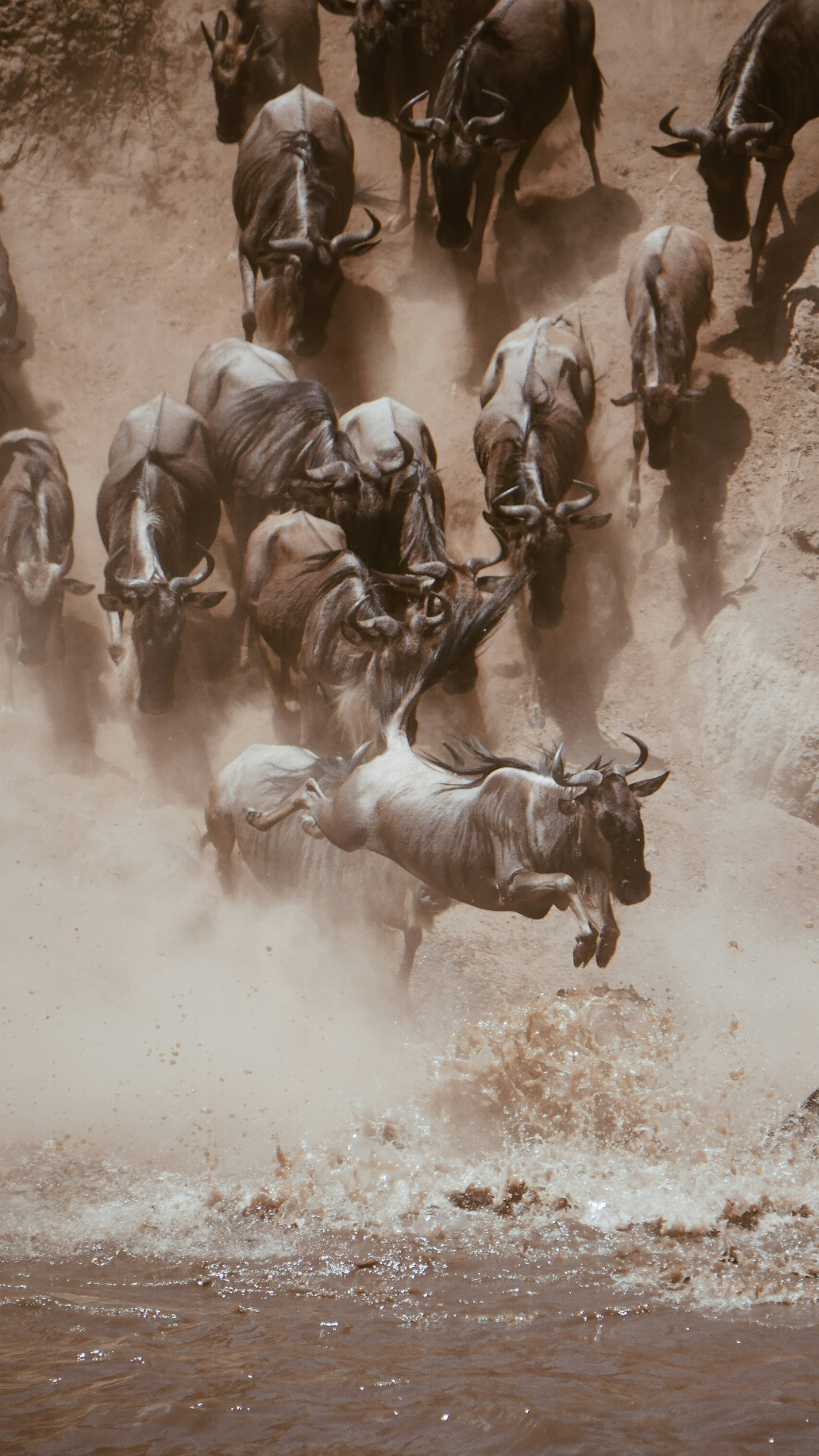
Between July and September, the herds reach the Mara River, the last obstacle before the Kenyan pastures. This is the most spectacular stage of the entire cycle: the animals sometimes gather for hours on the bank before launching into a crossing where the river's crocodiles await them.
Beyond the migration, the Ngorongoro Conservation Area is home to the world's largest intact, non-submerged volcanic crater: about twenty kilometers in diameter, walls rising in places to more than six hundred meters, and one of the highest densities of wild animals in East Africa, lions included.
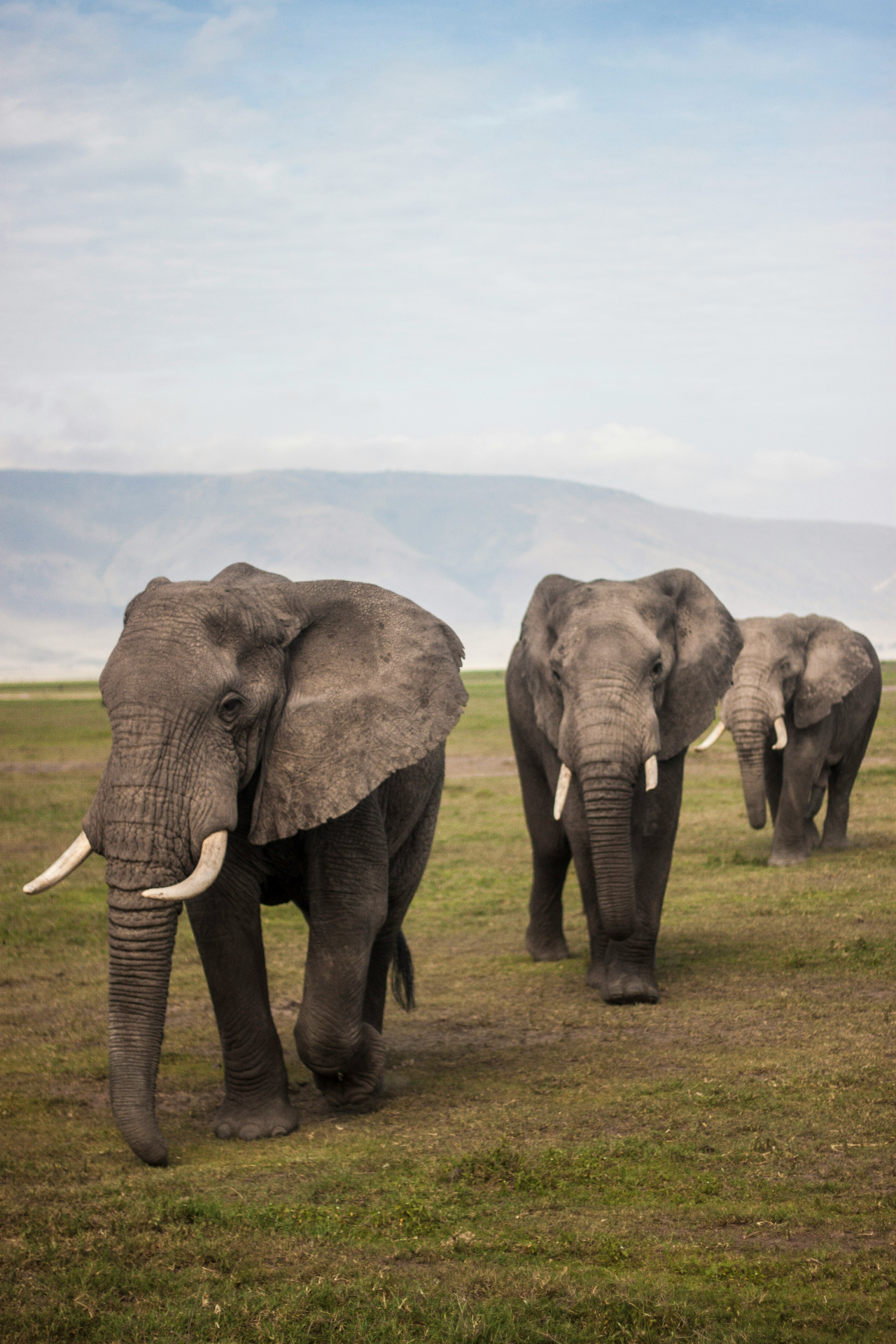
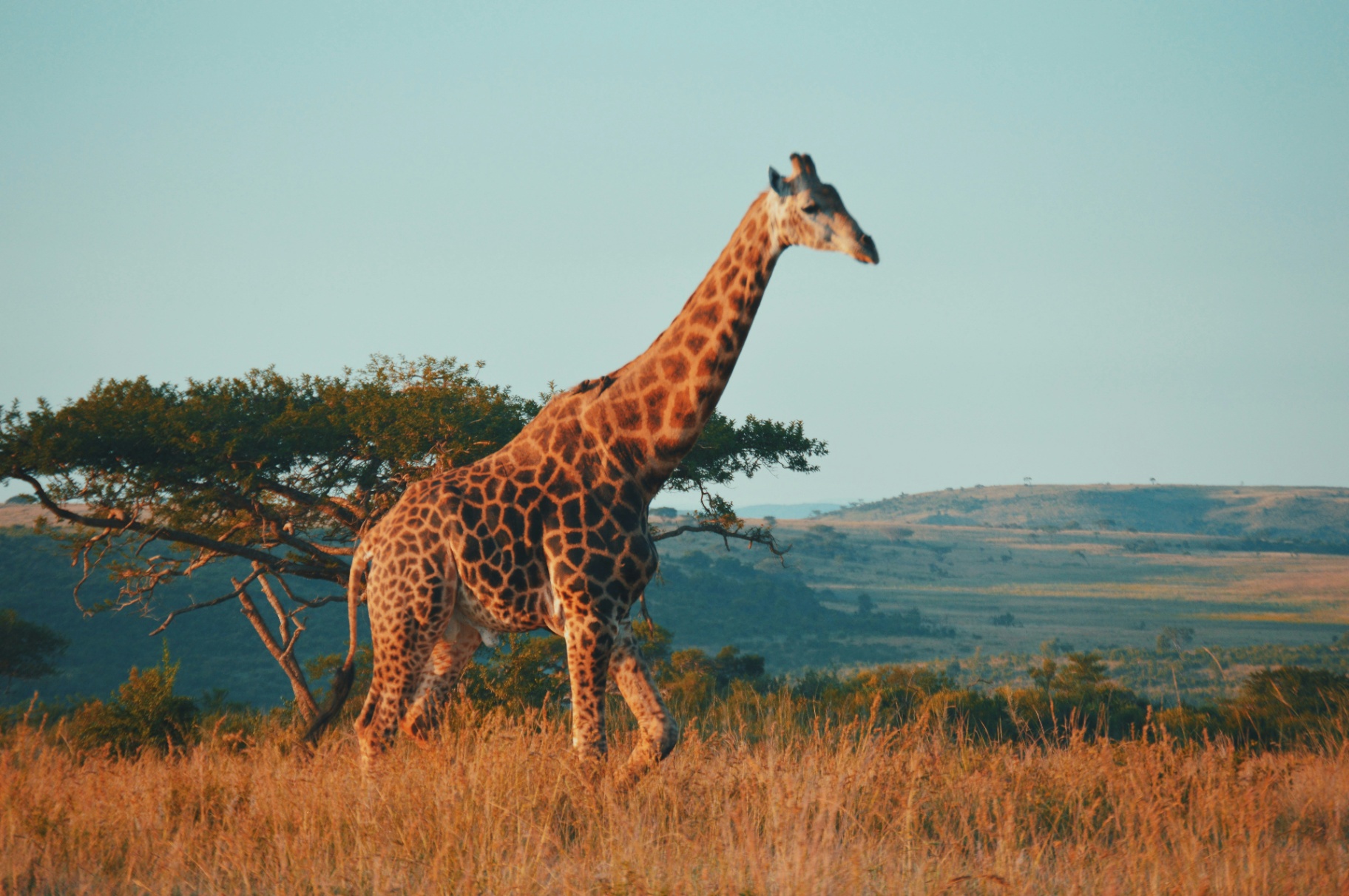
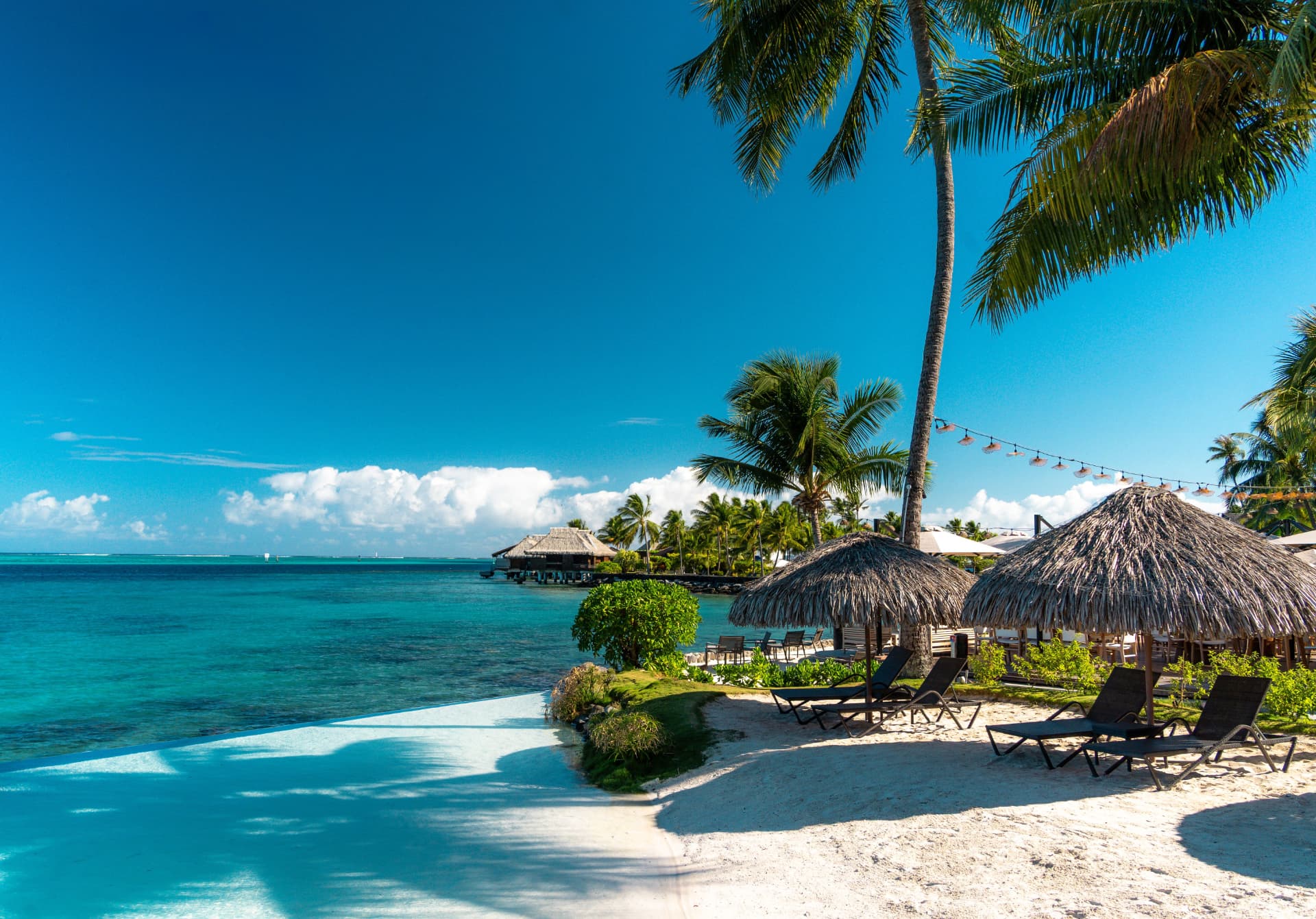
Tarangire National Park, with its sometimes thousand-year-old baobabs, and the volcanic landscapes of the north naturally complete the trip. After a week of safari, we often extend the stay in Zanzibar, in a private villa open to the Indian Ocean: a few days of beach and calm to land gently before the return.
We must be honest about what this kind of trip entails. Nothing guarantees that you will witness a precise crossing of the Mara on the day of your visit, the odds remain slim even in peak season. The journey often involves several domestic flights in small planes between camps, pre-dawn wake-ups, and serious medical preparation, as the region is classified as a malaria zone. This is neither the easiest safari to organize, nor the least physically demanding.
And that is exactly why we continue to organize it. A wildlife documentary always shows the right angle at the right moment, because someone waited weeks to get it. A safari offers none of these guarantees, and that is what makes it an experience rather than a show. You do not watch the great migration. You move through it, without knowing in advance what it will show you.
« You do not watch the great migration. You move through it, without knowing in advance what it will show you. »