Hotel notebooks
The Brando, at Tetiaroa: Inside Marlon Brando's Utopia
On an atoll once reserved for Tahitian royalty, the hotel dreamed up by Marlon Brando remains, ten years after opening, one of the most radical in the world.
When to go
May to October, the dry season, outside cyclone risk
Ideal length
3 nights
Suggested budget
From €4,000 / night
Who is it for?
Travelers who have seen it all and are finally looking for a place that is not trying to impress them
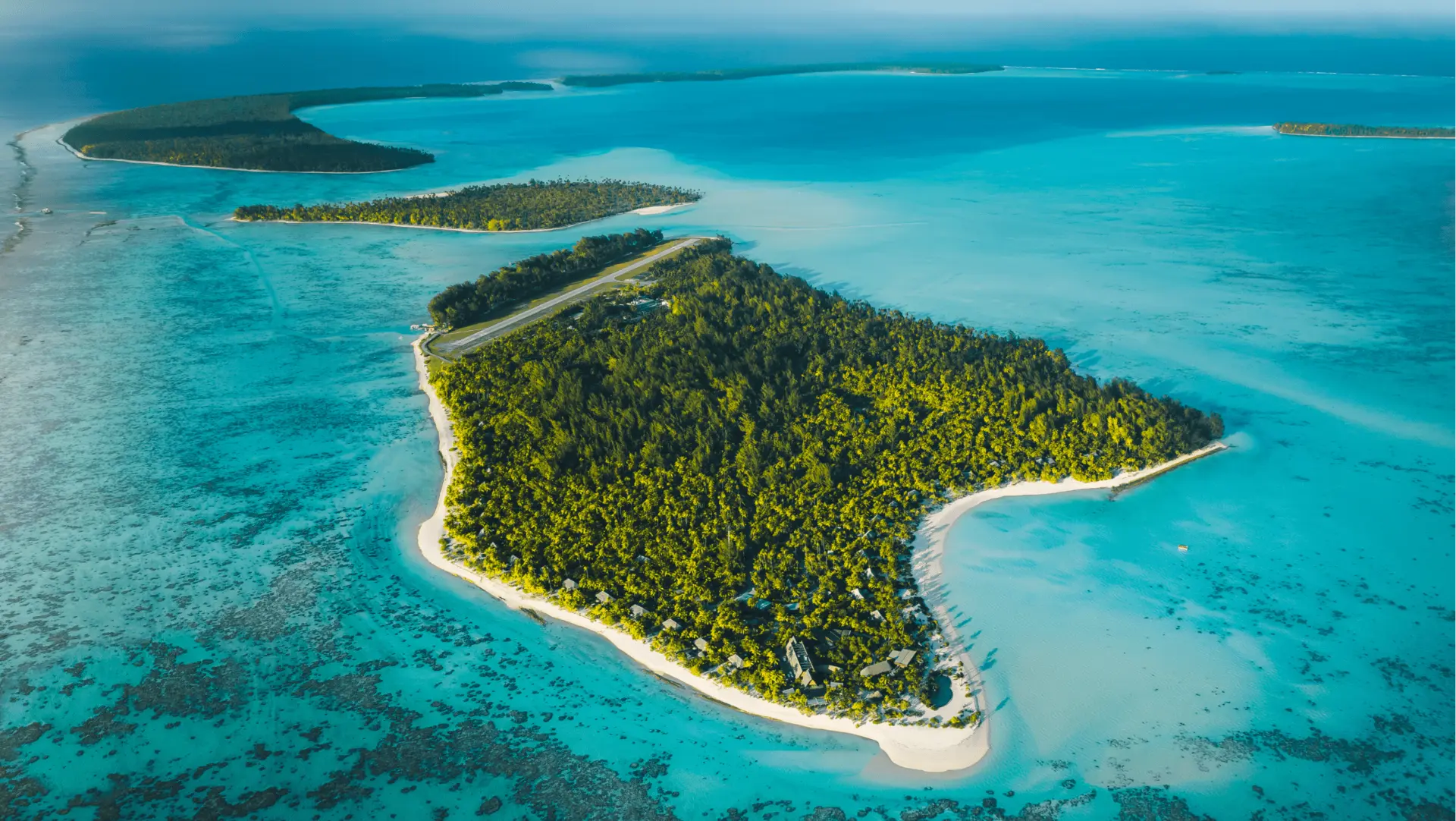
Tetiaroa is an atoll of about a dozen motu, some fifty kilometers north of Tahiti, long reserved for the Tahitian royal family before becoming private property in the twentieth century. Marlon Brando discovered it in 1960 while filming Mutiny on the Bounty, and fell in love with it instantly.
In October 1966, he secured a ninety-nine-year lease on the atoll. Local legend, widely repeated in the press, has it that he negotiated it partly in exchange for a homemade apple pie. Brando died in 2004 without seeing his hotel project completed. It was only in 2009, driven by Richard Bailey and the Pacific Beachcomber group, together with the Brando heirs, that construction truly began. The Brando opened in 2014.
« Here, sustainability is not a marketing line added after the fact, it is the condition set before the first stone was ever laid. »
What really sets The Brando apart from most hotels that now call themselves eco-conscious is the order in which things happened. Richard Bailey has often said that the founding vision, shared with the Brando family, came down to a single sentence: protect the atoll's nature absolutely, open it to researchers, and aim for a near-zero tourism footprint. Here, sustainability is not a marketing line added after the fact, it is the condition set before the first stone was ever laid.
It all starts before you even land on the atoll. The flight is on a small private plane seating about eight, and the experience really begins in Air Tetiaroa's dedicated lounge, where the air, already heavy with salt and tiare flowers, sets the tone, and where you feel expected from check-in on, far from the usual airport bustle.
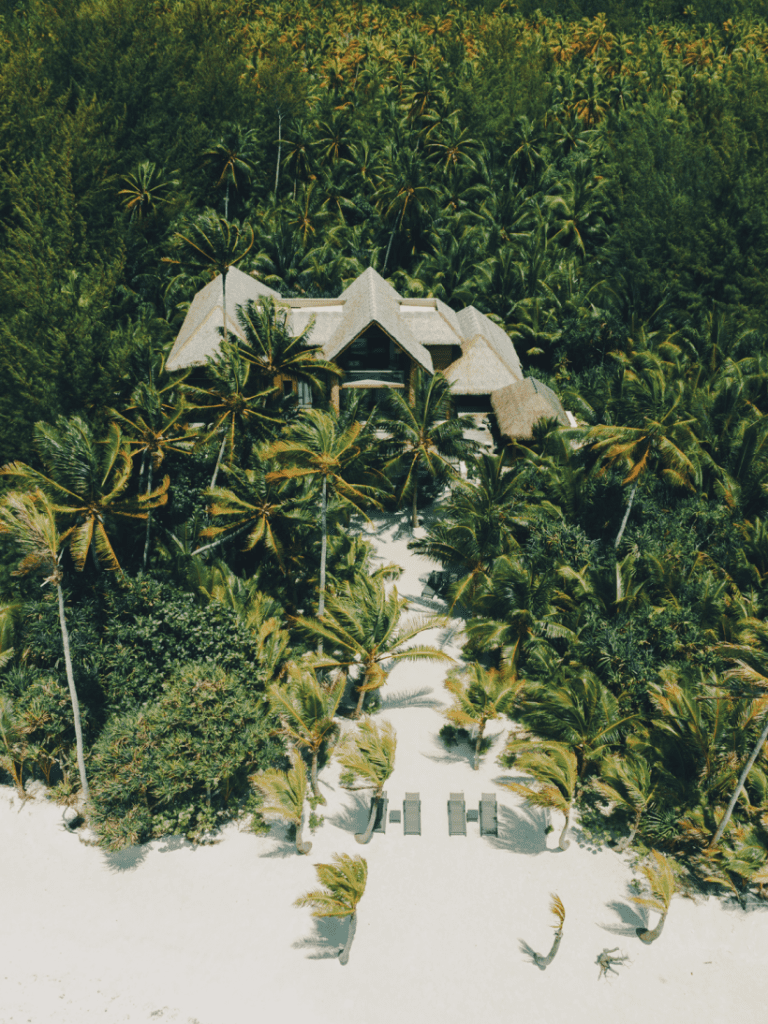
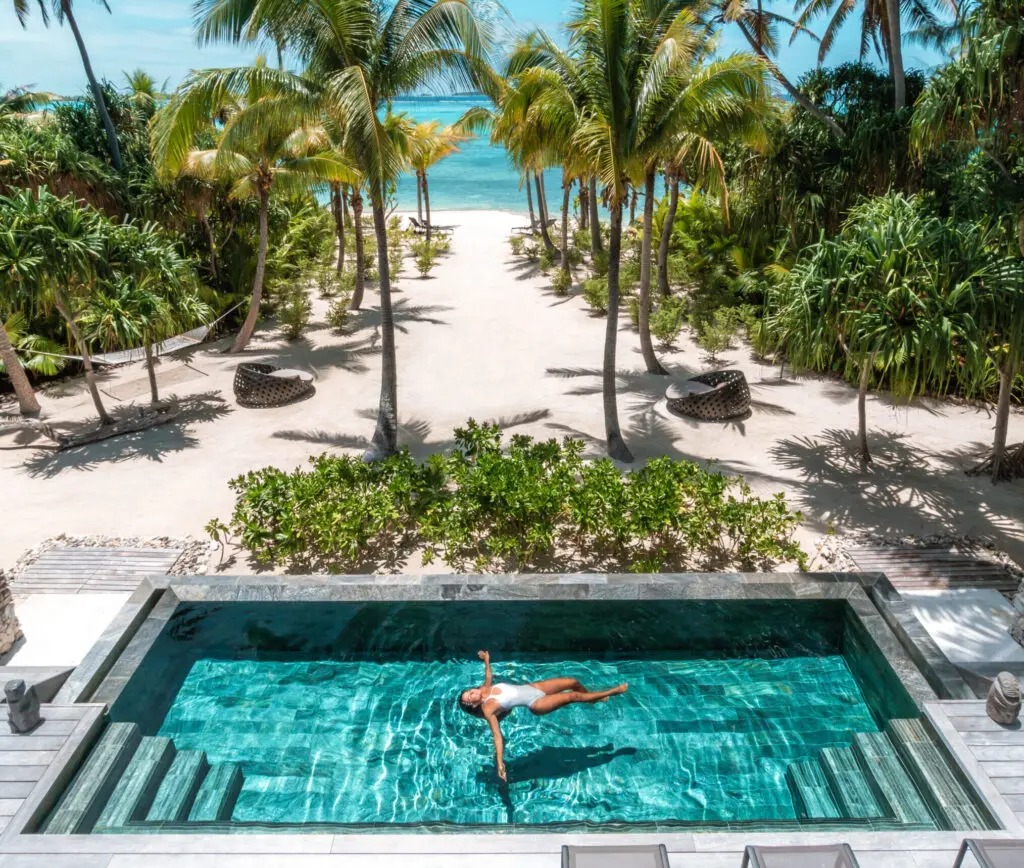
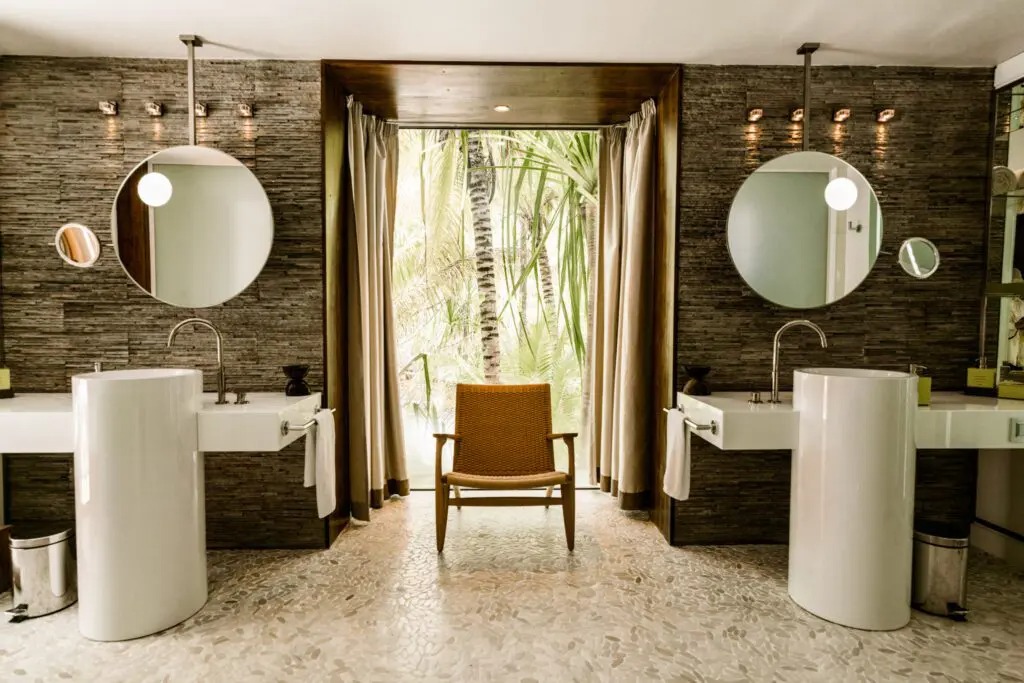
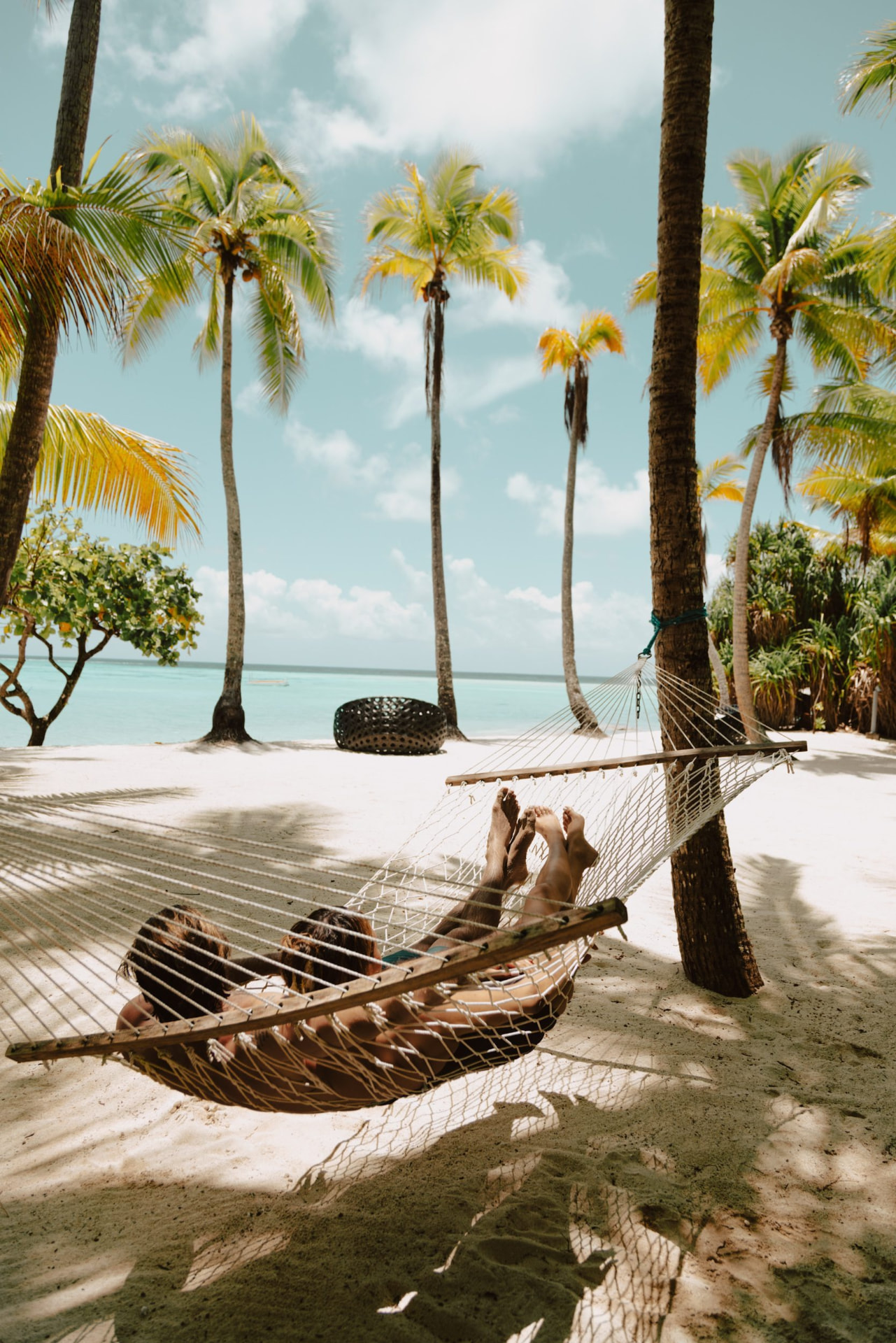
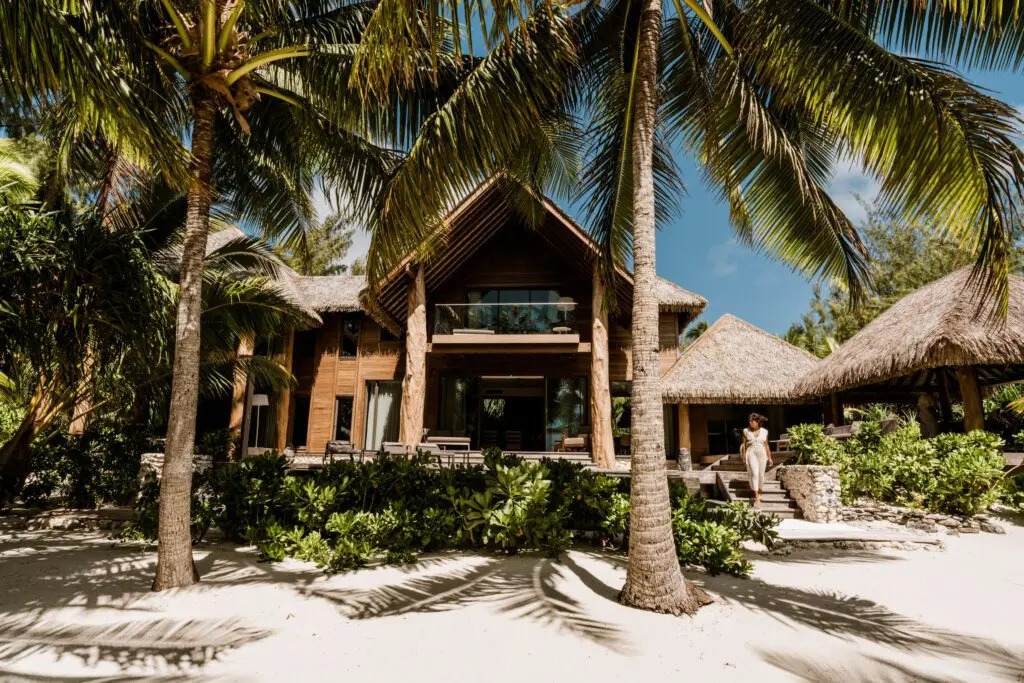
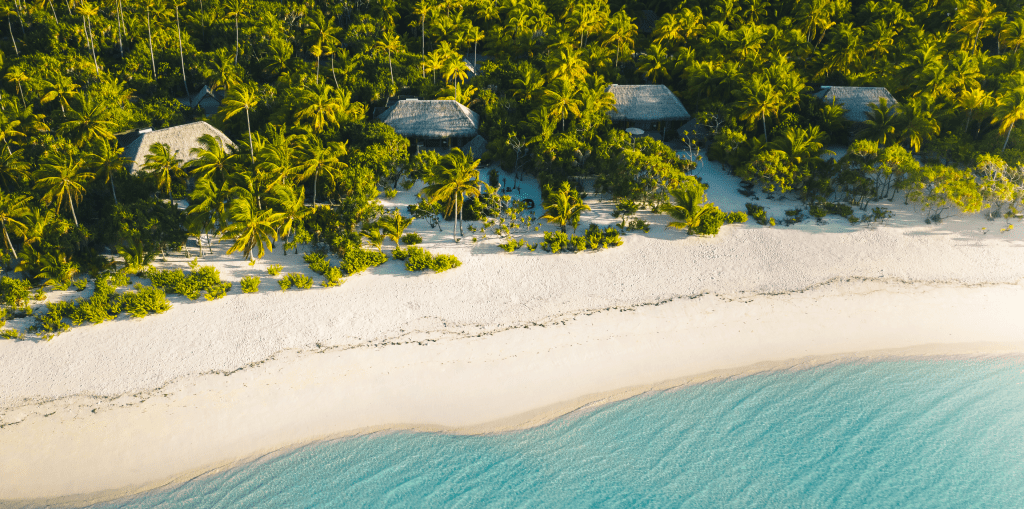
The villas open straight onto the beach, almost feet in the water, and even with the hotel fully booked you come across surprisingly few other guests, as if the space simply absorbed them. Breakfast served on sand still cool from the morning, facing the lagoon, remains one of the most memorable moments of the stay, as do the excursions to the neighboring motu.
In practice, the environmental commitment means a deep seawater air conditioning system, SWAC, which cuts electricity use by roughly seventy percent compared with a conventional hotel of this size, backed by more than two thousand solar panels installed along the runway. The atoll is also home to the Tetiaroa Society, a research center where scientists from Berkeley and Washington study coral reef preservation, which makes the place as much a research station as a hotel.
Over the years, the kitchen has been entrusted to well-known French chefs, in a cuisine that blends produce from the atoll's garden, local fish, and honey harvested on a nearby motu. Service, like the food, lives up to the promise despite the isolation, which is far from obvious when everything has to arrive by plane or by boat.
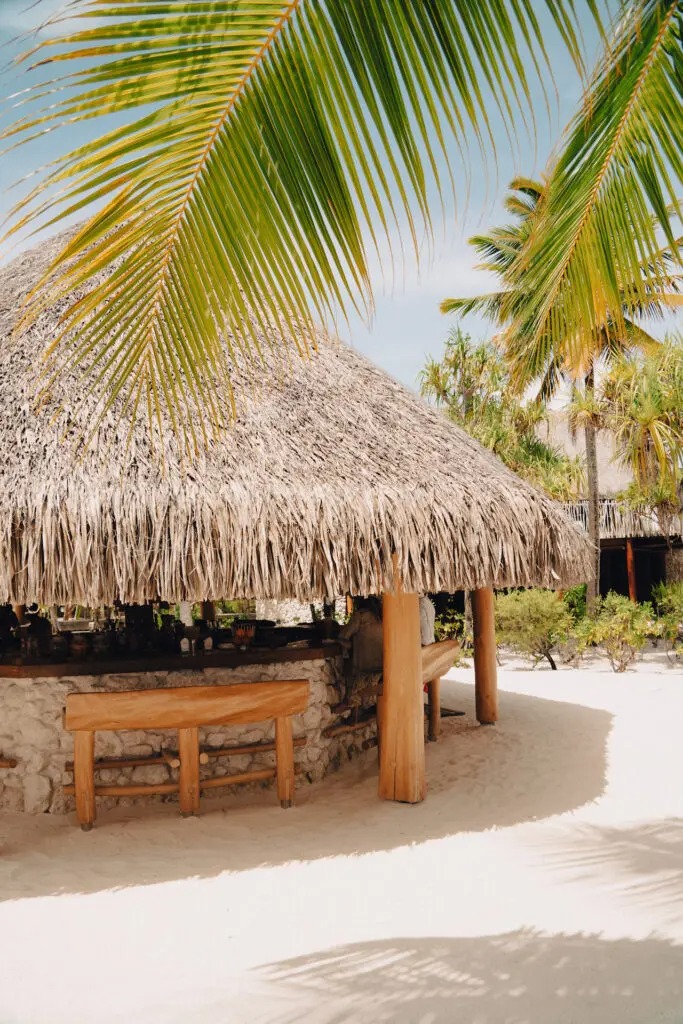
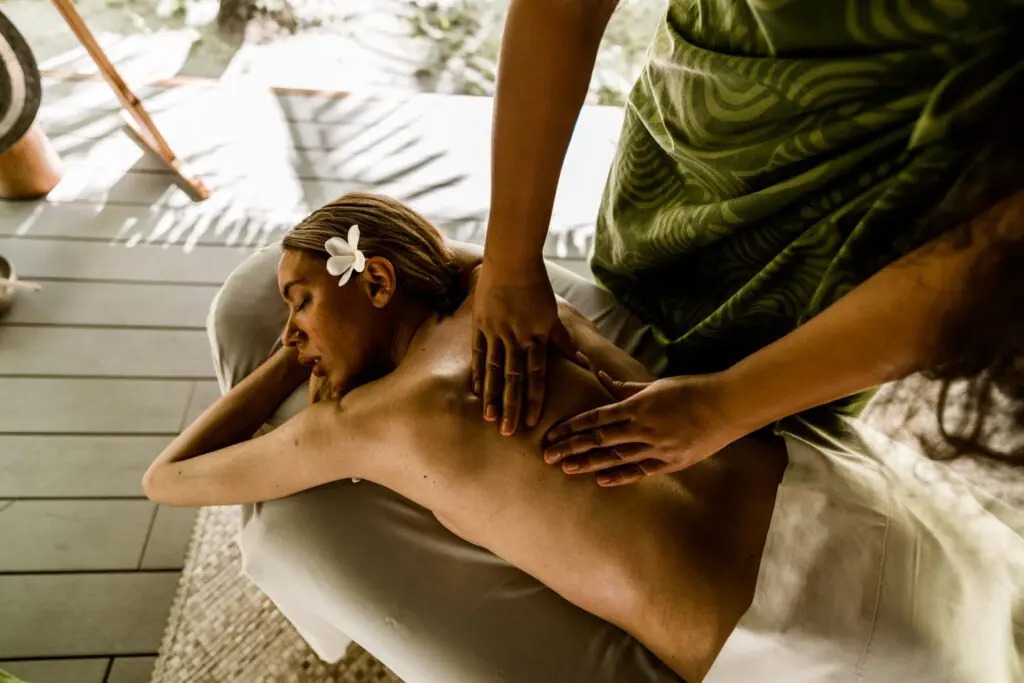
In 2024, ten years after opening, The Brando received the Michelin Guide's highest distinction, the Three Keys, awarded to a very small number of properties worldwide. A rare recognition for a hotel this hard to reach and this uninterested in spectacle.
We should be honest about what this choice involves. Access by small plane comes with real luggage and schedule constraints, the dry season from May to October remains far preferable to avoid the cyclone period, and with only thirty-five villas and worldwide renown, availability often has to be booked several months ahead. This is neither a last-minute hotel, nor a choice for anyone looking for activity.
Comparing the price of a night at The Brando with that of a classic grand hotel does not really make sense. What you pay for here is not a room, it is a whole: a private plane and a lounge where you feel expected from boarding, a villa set directly on the sand where you barely cross paths with other guests even at full occupancy, a level of service and a table that hold their rank despite the isolation. You do not compare a nightly rate here to that of a grand hotel. You compare an experience to a room, and those are never the same thing.
« You do not compare a nightly rate here to that of a grand hotel. You compare an experience to a room, and those are never the same thing. »